Wellness equipment & technical specification
Biofit provides independent equipment and technical specification for gyms, spas, hydrothermal suites and recovery/longevity spaces. We translate your concept and layouts into coordination-ready schedules and requirements—supporting accurate budgets, smooth procurement, and early integration with architectural and MEP constraints.
Deliverables: Independent procurement for fitness, thermal suites, and bio-hacking / recovery technology
PREVIOUS CLIENTS SANI-IKOS RESORTS
FUSION STUDENTS
CARNEGIE MELLON UNIVERSITY
MELIA HOTELS INTERNATIONAL
Why wellness & fitness equipment specification matters
Avoid late-stage redesign by coordinating footprints, servicing clearances and utilities early.
Improve budget accuracy with realistic equipment allowances and technical requirements.
De-risk procurement through clear performance criteria and vendor/manufacturer comparisons.
Protect the guest experience by ensuring acoustic, thermal, humidity and maintenance implications are addressed.
-
Projects moving from concept into design development and procurement
-
Hotel spas and thermal suites where MEP decisions are critical
-
Recovery and longevity facilities with specialist equipment requirements
-
Developers who want independent specification (not vendor-led, we are unaligned and free to select products from any brand on the market)
Choose the engagement model that best fits your project scale and delivery teamWellness Lead Consultant (Including Interior Design)
Best when you want a single point of responsibility. We deliver planning through interior design and documentation, coordinating experience, specification and buildability from concept to handover.
Specialist Wellness Sub-Consultant
Best when an interior design team is already appointed. We provide specialist wellness planning, layouts, specification and design-integration reviews—ensuring functional requirements are embedded early and executed cleanly by the wider team.
example gym equipment layout
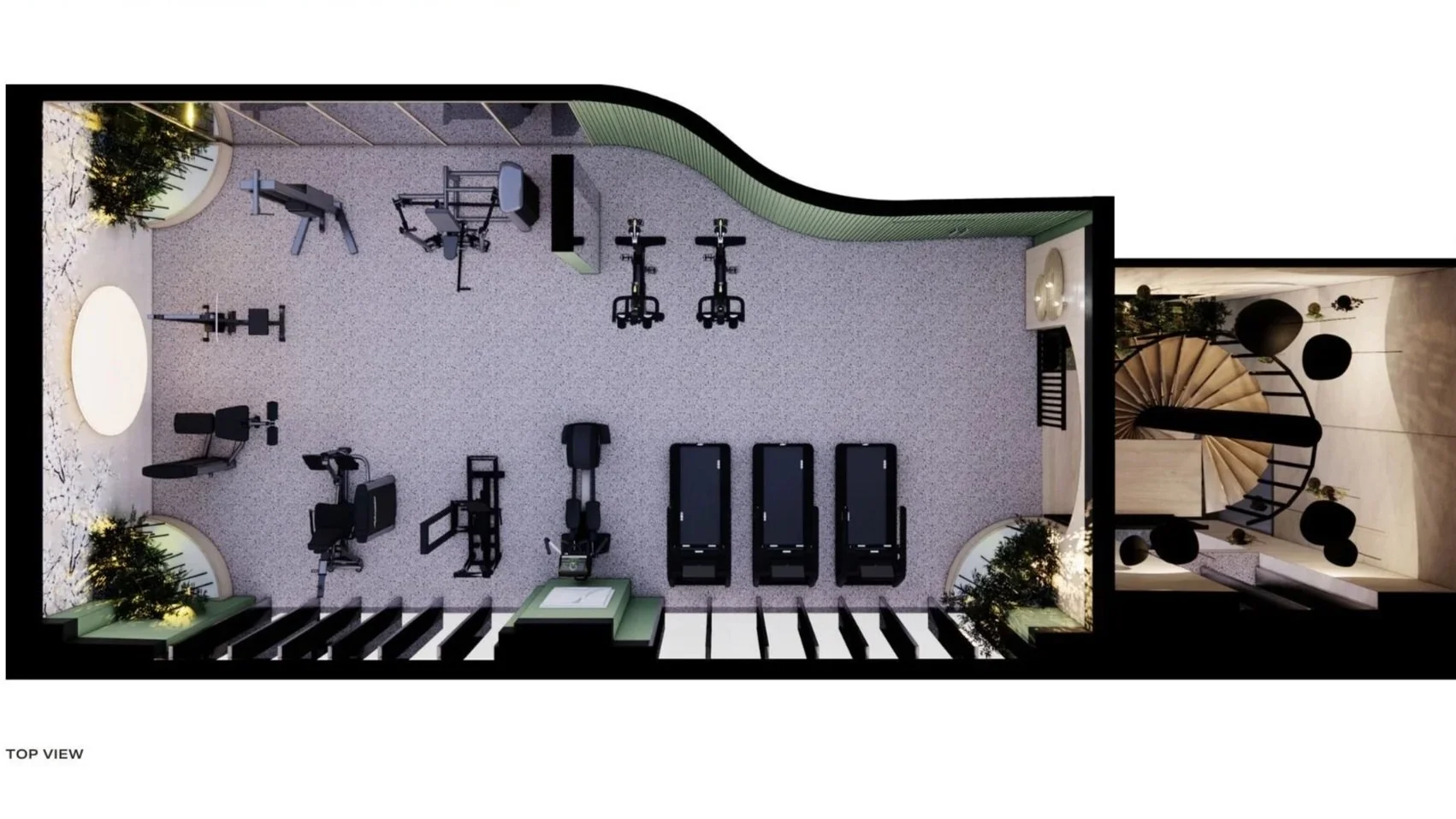
What we do as equipment specification consultants for spas, gyms, wellness clubs
We take the approved concept and layout intent, then produce an equipment specification that is buildable and coordinate-able. That includes equipment schedules, utility requirements, servicing clearances, and coordination notes—so architects, interior designers, engineers and contractors can integrate the equipment correctly and procure with confidence.
spa wellness room equipment
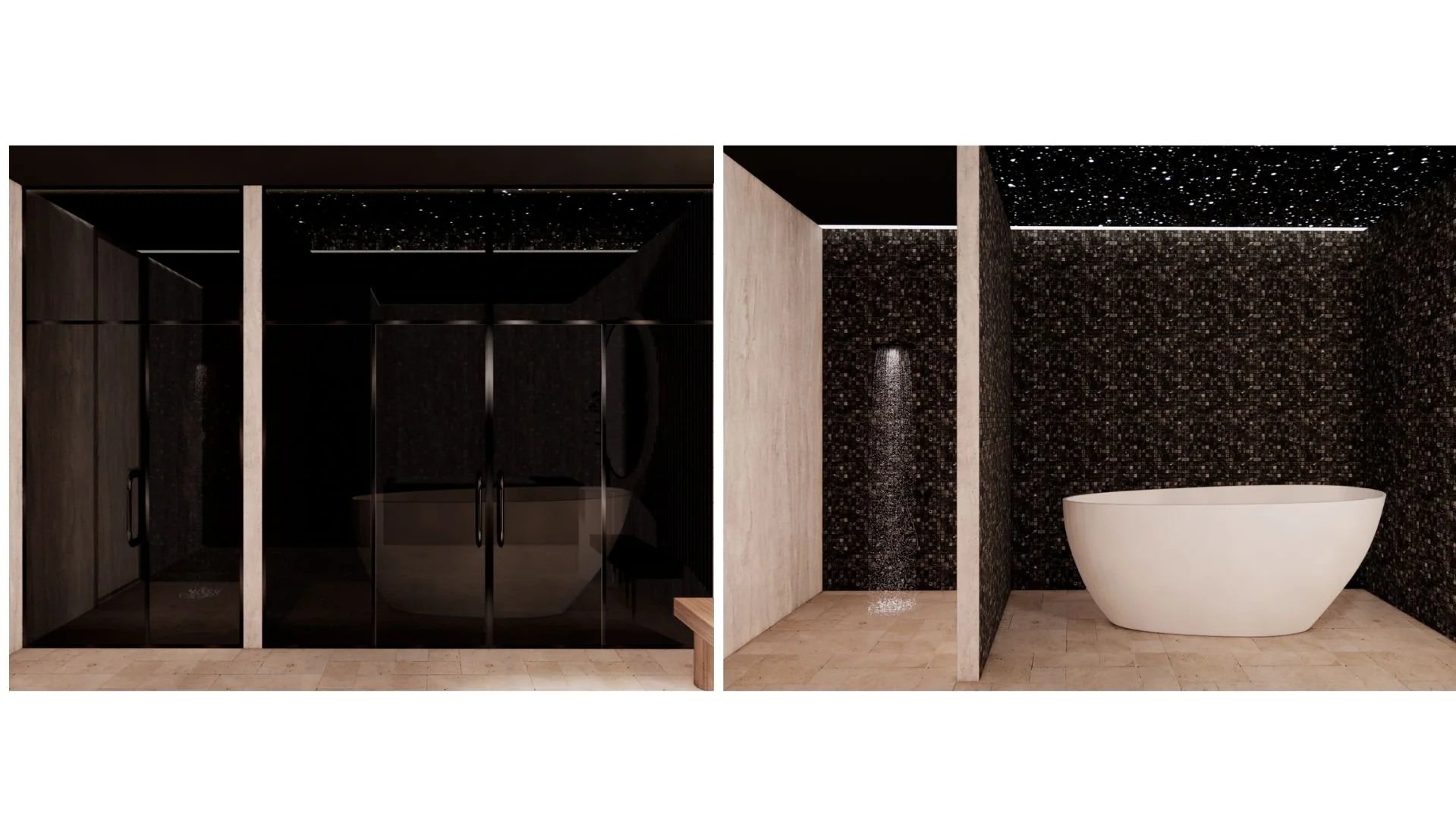
Equipment specification activities
(what we do for you)
Define equipment strategy aligned to positioning, user profile and service level
Develop equipment schedules across fitness, spa, thermal and recovery categories
Confirm footprints, clearances and access (maintenance and servicing)
Provide utilities and technical requirements (power, water, drainage, ventilation, data)
Identify MEP integration implications (heat loads, humidity control, plant access)
Prepare vendor/manufacturer comparison inputs and shortlist criteria (where required)
Coordinate with the team via reviews and clarifications as the design develops
custom gym equipment specification
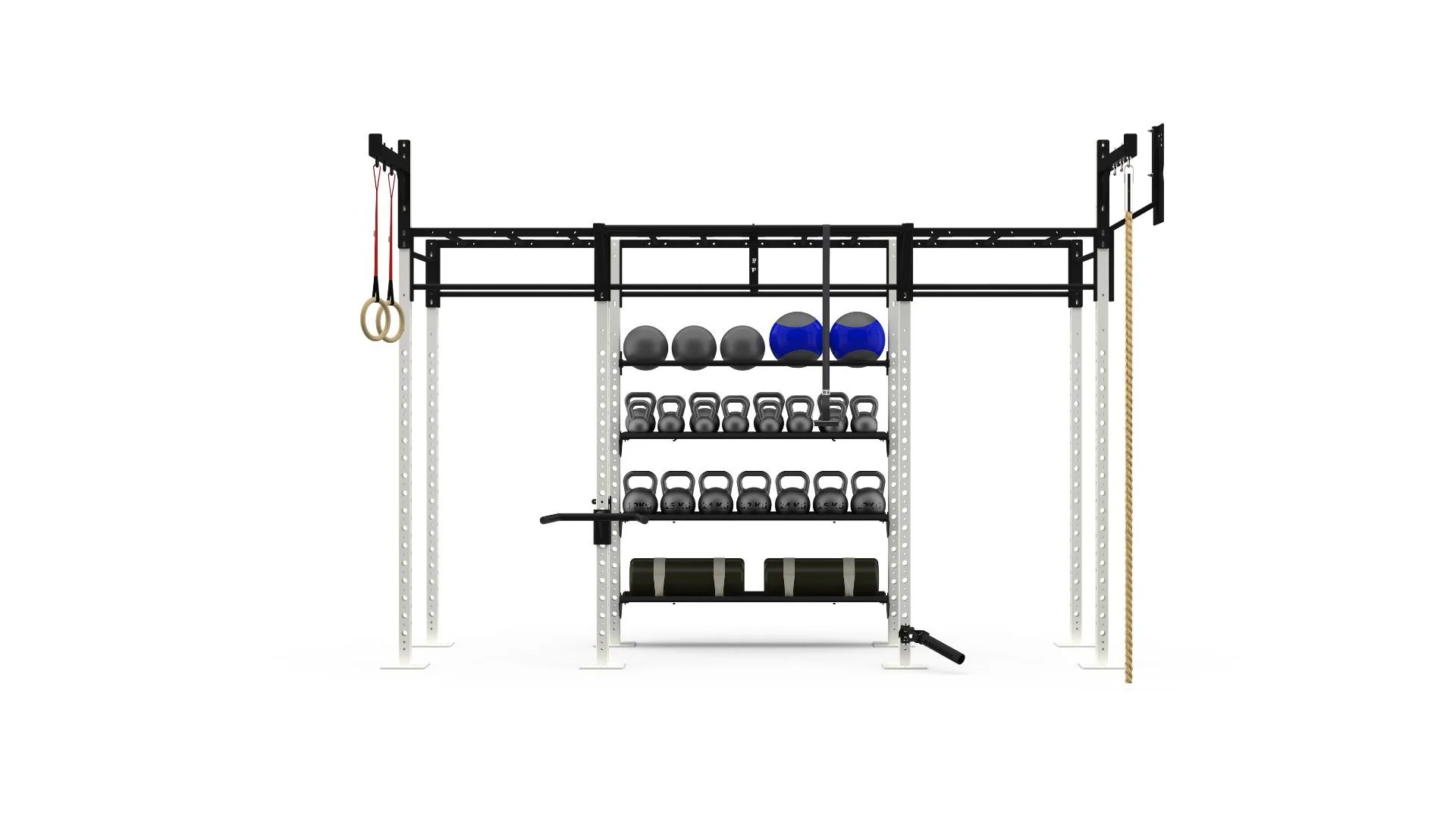
Equipment specification deliverables
(what you receive)
Equipment schedule(s) with: dimensions, clearances, performance notes and utilities
Technical requirements summary for MEP coordination
Layout overlays showing equipment footprints and key clearances
Budget/tender allowance guidance (where inputs allow)
Vendor comparison matrix and shortlist recommendations (as scoped)
Clarification log / coordination notes for design team and contractor
What we specify
Spa and treatment environments
Treatment room essentials, spa support and back-of-house needs, relaxation lounge FF&E implications (as relevant).
Fitness environments
Cardio machines, strength machines, functional training equipment, mobility accessories, studio formats and storage planning.
Hydrothermal & thermal suites
Sauna, steam/hammam concepts, plunge/cold bathing concepts, heated loungers and supporting technical requirements.
Recovery & longevity spaces
Touchless therapy suites/pods, performance recovery zones, and flexible rooms designed to adapt as the wellness menu evolves.
pre-design planning
concept design
interior design
pre-opening support
FAQs
Do you supply equipment yourselves?
1
No. We act independently to specify and coordinate equipment requirements. Procurement can be handled by the client, contractor, or a nominated supplier—based on the tender strategy. Equally, we can perform that role in exchange for an admin fee.
Can you work with preferred suppliers?
2
Yes. We can incorporate preferred suppliers where appropriate, while still documenting requirements clearly so the project remains buildable and comparable.
Do you only specify gym equipment or spas also?
3
We specify across gyms, spas, thermal suites and recovery/longevity environments, including the technical requirements needed for reliable operation.
When is the right time for equipment specification?
4
As soon as layouts are stable enough to place equipment footprints—ideally before MEP and detailed design decisions are locked in.
Gym + spa equipment specification glossary
-
An equipment schedule is the master list of all equipment items required for the facility, typically including quantities, key dimensions, footprint, servicing clearances, utilities, and performance notes. It is used to coordinate layouts, support budgeting and procurement, and ensure the design team integrates equipment correctly from design development through construction.
-
The footprint is the physical floor area an equipment item occupies, including any minimum safe-use zone required around it. Footprints are critical for realistic space planning—especially in gyms, recovery suites and compact treatment environments—so circulation, accessibility and user comfort are maintained without overcrowding.
-
Servicing clearances are the access zones required to install, inspect, maintain or replace equipment. These clearances often differ from user clearances. Coordinating them early prevents costly clashes with walls, joinery, ceilings and plant rooms, and ensures long-term operational reliability and safe maintenance access.
-
Utilities requirements define what each equipment item needs to function—such as electrical load, water supply, drainage, ventilation, data connections and control interfaces. Documenting utilities early helps engineers size systems properly, reduces late changes, and supports accurate tender pricing and contractor coordination.
-
MEP coordination ensures mechanical, electrical and plumbing design supports the actual equipment requirements. This may include heat loads, ventilation rates, drainage falls, humidity control, plant access and maintenance routes. Strong MEP coordination is particularly critical for thermal suites, wet areas and technology-enabled recovery modalities.
-
Performance criteria are the measurable requirements an item must meet—such as temperature range, capacity, durability rating, acoustic performance, hygiene considerations, or control system functionality. Clear performance criteria allow suppliers to propose compliant alternatives and enable fair comparisons during procurement.
-
A comparison matrix is a structured way to evaluate equipment options against consistent criteria—dimensions, performance, warranties, lead times, service support, operating costs and aesthetics. It supports informed selection decisions and helps clients balance budget, reliability and brand positioning without relying solely on supplier marketing.
-
Budget allowances are placeholder sums used early when selections are not final; final specification is the confirmed equipment set with defined technical requirements. Clear separation avoids procurement confusion and helps cost consultants price accurately while the design team progressively locks decisions during design development.
-
Lead time is the duration from ordering to delivery/installation. Procurement strategy defines how equipment will be purchased—client direct, contractor, or specialist supplier package. Documenting lead times and procurement routes early helps the programme, sequencing and site logistics, reducing delays during fit-out and commissioning.
Need coordination-ready specification for budgets and procurement?Send your latest plans and a short brief. We’ll recommend a specification scope that supports accurate budgeting, efficient coordination, and confident procurement.