Spa, Recovery & Wellness Design
Biofit helps hotels, wellness retreats, health clubs, residential developers and private clients create wellness environments that support relaxation, recovery and long-term wellbeing. Our work spans traditional spa facilities, hydrothermal experiences, recovery spaces, contrast bathing circuits and longevity-focused wellness amenities.
From luxury hotel spas and wellness clubs to private residences and boutique retreats, we help clients translate wellness concepts into practical, commercially viable spaces that enhance the guest experience and support operational success.
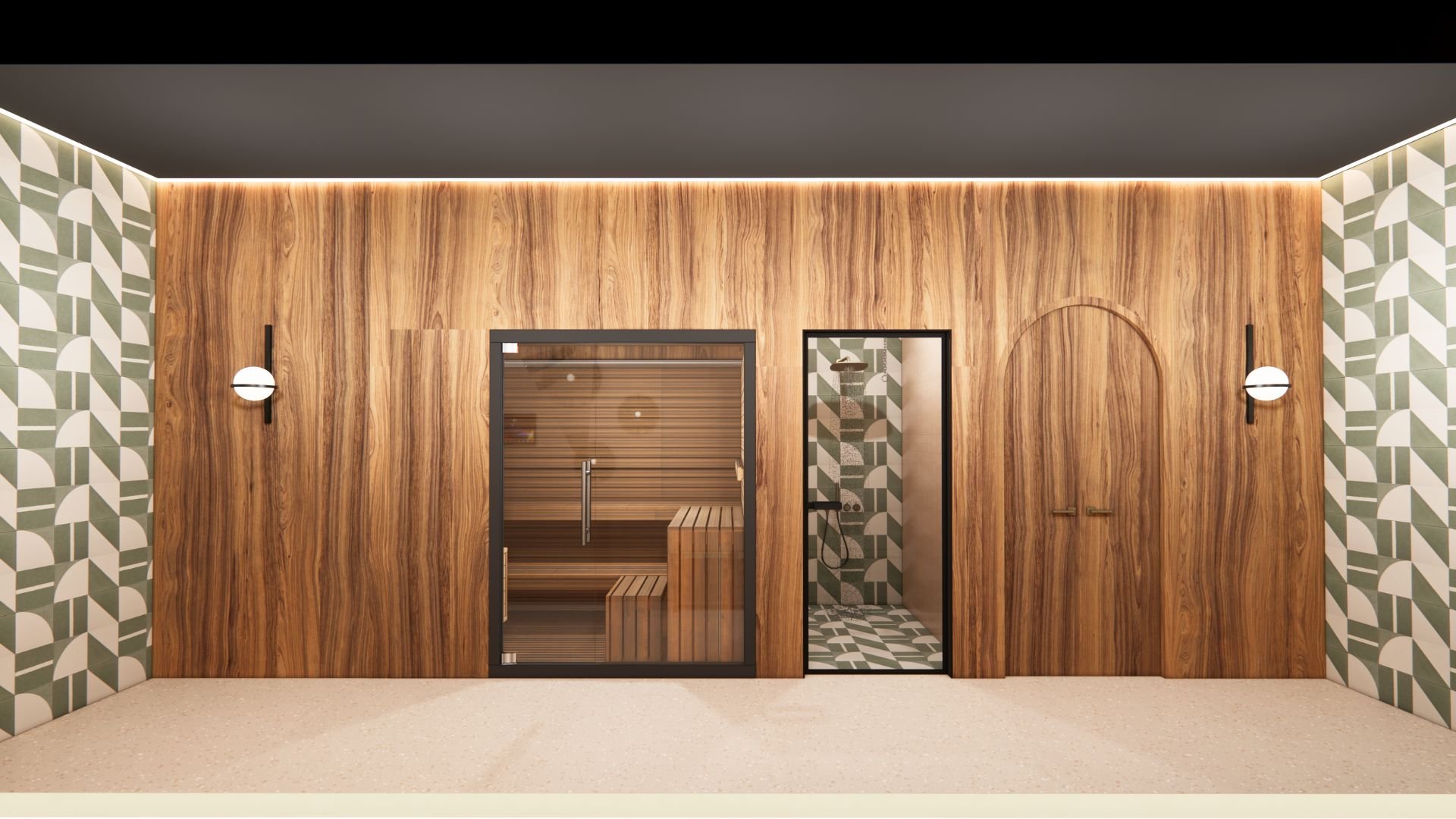
spa recovery room design
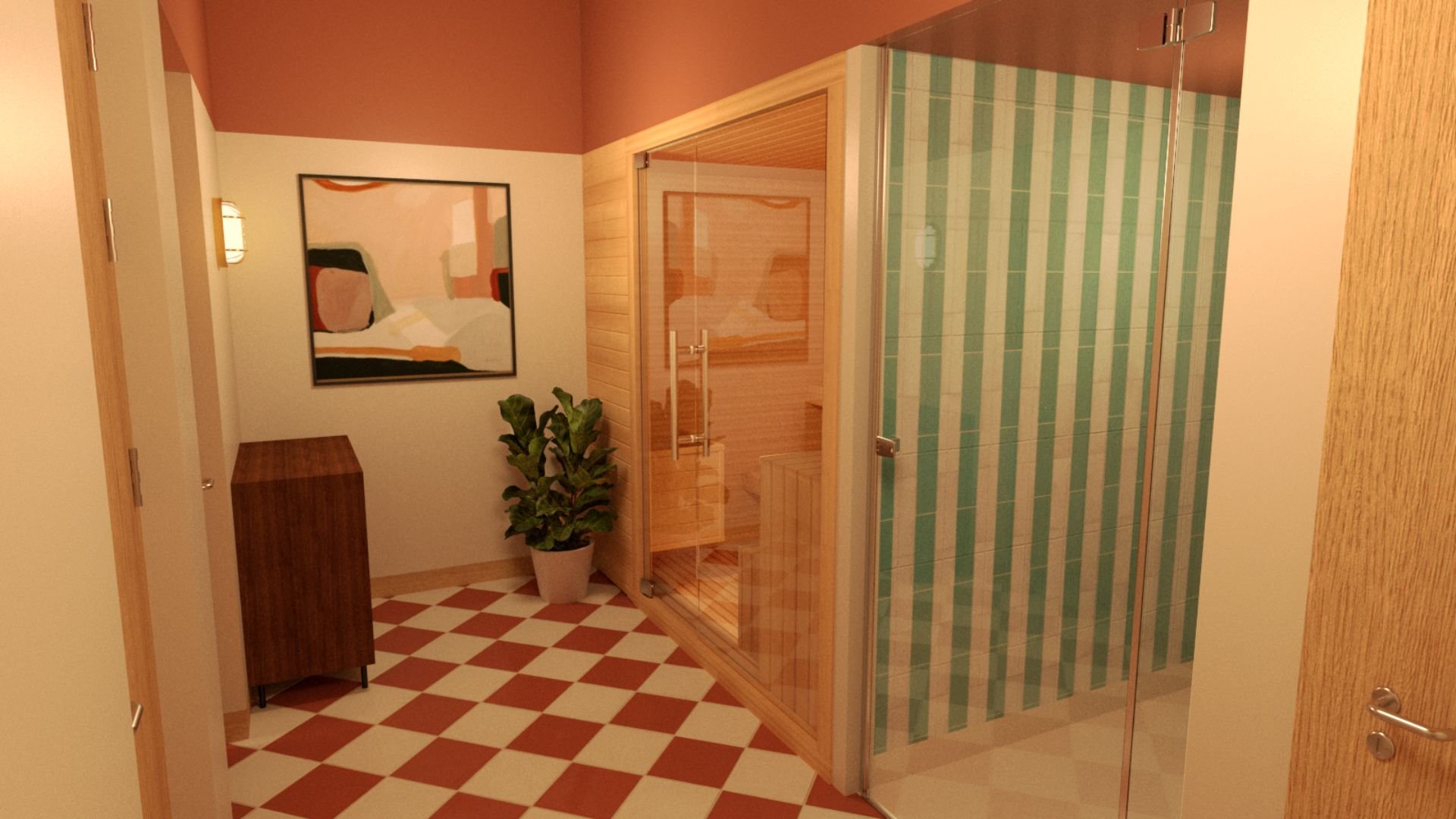
spa room design concept
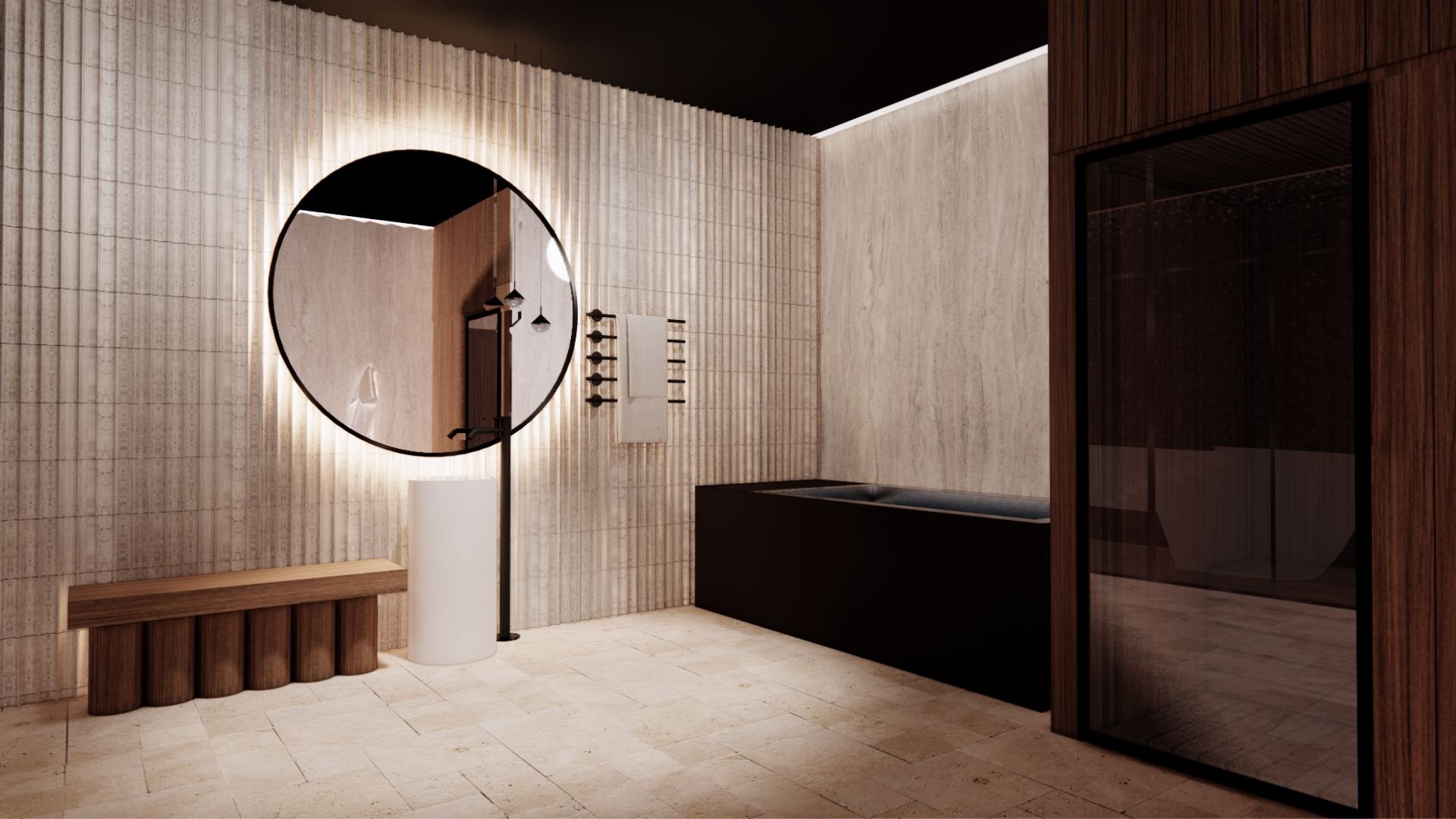
spa recovery room design
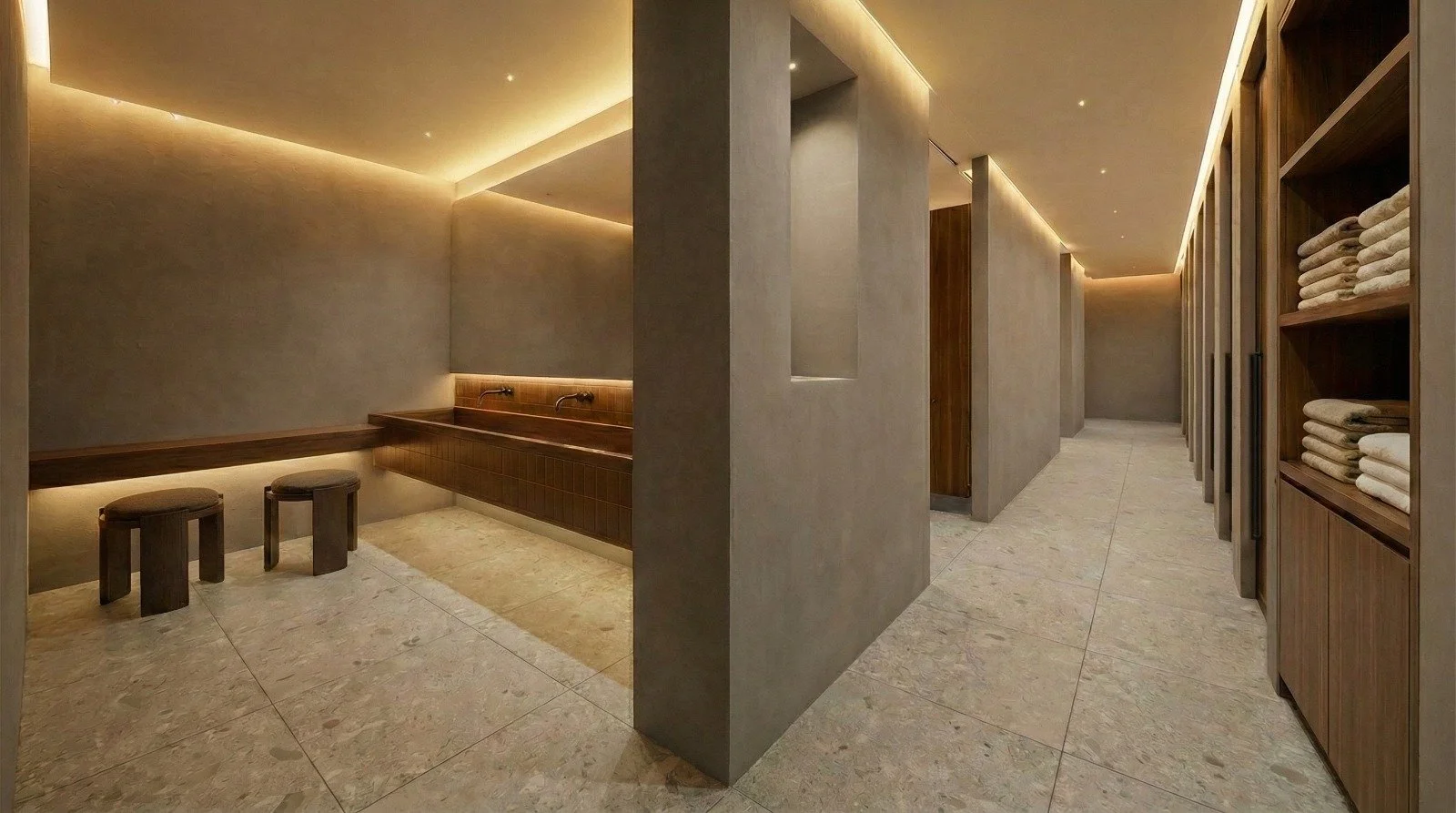
changing rooms for wellness club, Spain
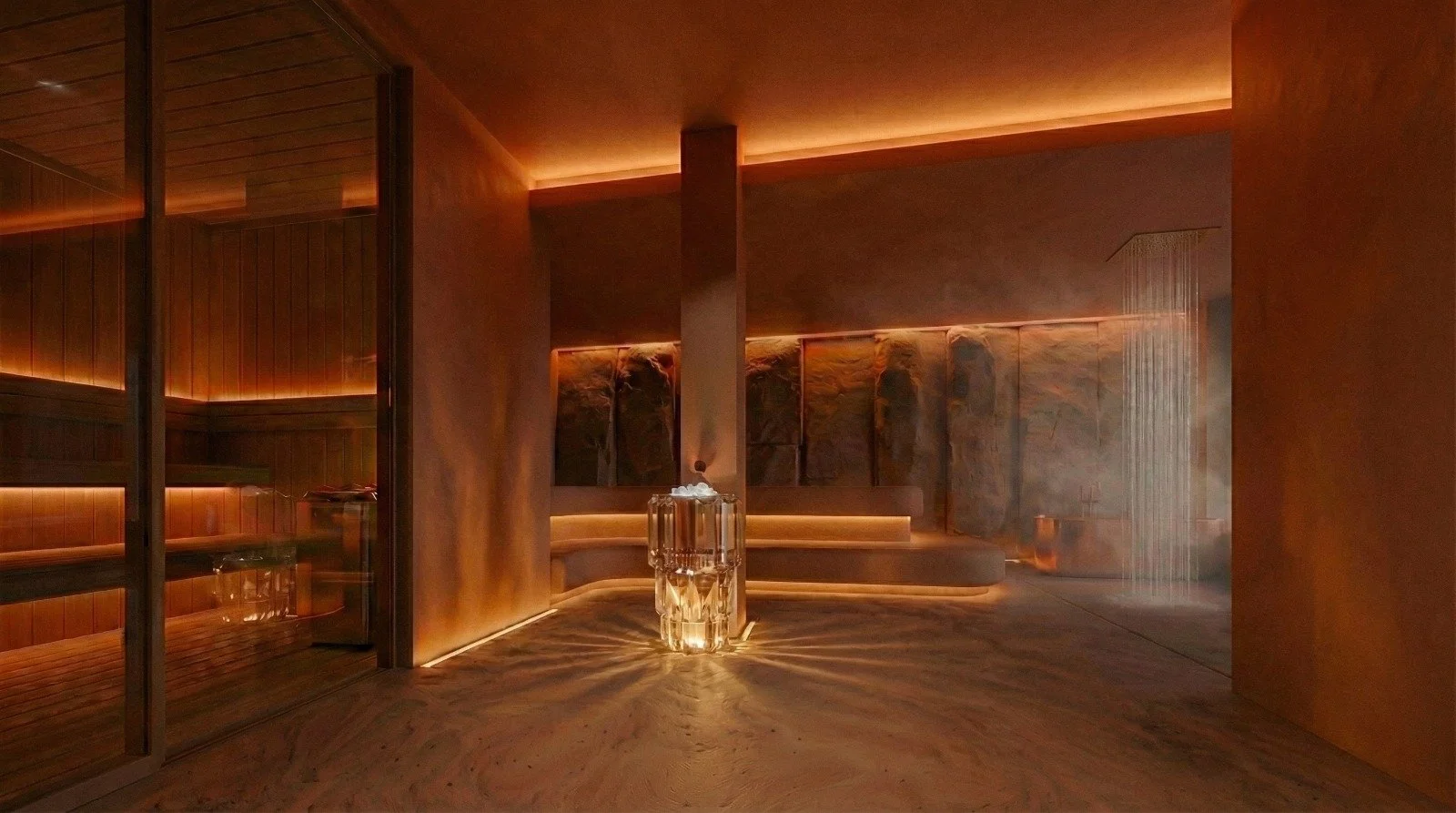
contrast bathing area, wellness club, spain
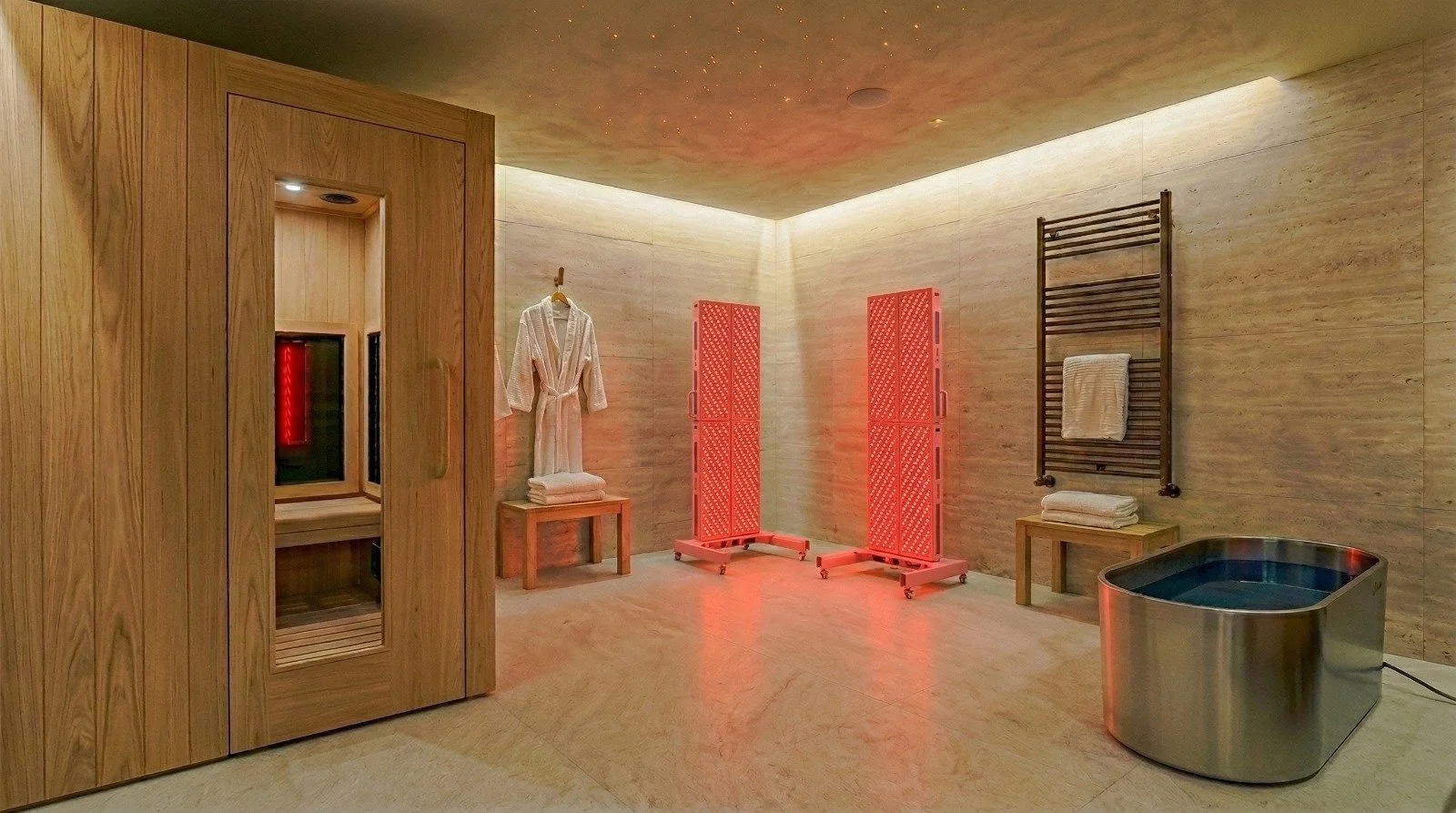
recovery spa room, private residence, USA
The modern wellness facility extends far beyond treatment rooms and massage suites.
Today's guests increasingly seek experiences centred around movement, recovery, thermal bathing, relaxation, social connection and longevity.
As a result, wellness spaces are evolving to include hydrotherapy pools, cold plunge facilities, thermal circuits, recovery lounges, breathwork studios, infrared therapy rooms and other wellness-focused amenities.
Biofit provides concept development, space planning, wellness programming, equipment planning and design coordination services to help clients define and deliver these environments.
spa & wellness experiences
We support the planning and design of wellness facilities for hotels, resorts and residential developments, helping clients create environments that encourage relaxation, restoration and wellbeing.
Our role is to ensure these facilities are both operationally practical and aligned with the overall guest experience.
Typical facilities include:
Spa reception and relaxation lounges
Treatment rooms
Couples treatment suites
Hammams and steam rooms
Saunas and thermal experiences
Changing facilities
Wellness gardens
Indoor and outdoor relaxation spaces
recovery experiences
Recovery has become one of the fastest-growing segments of the wellness industry.
We help clients integrate recovery-focused amenities into wellness clubs, fitness facilities, hospitality projects and private residences.
Examples include:
Contrast therapy circuits
Cold plunge pools
Recovery lounges
Infrared therapy spaces
Breathwork and mindfulness rooms
Stretching and mobility zones
Red light therapy rooms
Longevity-focused wellness facilities
Our approach focuses on creating spaces that support physical recovery, mental wellbeing and long-term health outcomes while remaining commercially and operationally viable.
hydrotherapy & wellness pools
Water-based wellness experiences are increasingly becoming the centrepiece of modern wellness destinations.
Biofit helps clients define the wellness experience, spatial requirements and technical considerations associated with hydrothermal environments before specialist engineering and supplier teams become involved.
Typical elements include:
Hydrotherapy pools
Vitality pools
Indoor wellness pools
Thermal bathing circuits
Cold plunge pools
Hot and cold contrast experiences
Jacuzzi and spa pools
Outdoor wellness pools
We work closely with architects, consultants and specialist suppliers to ensure these experiences are integrated effectively within the wider wellness concept.
wellness planning & technical coordination
One of the most common challenges in wellness projects is bridging the gap between concept design and technical delivery.
Biofit helps clients establish clear wellness requirements before engaging specialist suppliers and contractors.
Our services may include:
Wellness programming
Space planning and zoning
User journey development
Equipment planning
Technical coordination
Supplier briefing
Design review and advisory services
Where specialist engineering is required, we work alongside pool engineers, MEP consultants, hydrothermal specialists and equipment suppliers as part of the wider project team.
relevant project experience
Past Projects

CRCLE Wellness Club, Marbella, Spain
Interior design of a new social wellness club concept featuring cold plunges, traditional sauna, infrared sauna and a heated movement studio as well as both indoor and outdoor gym spaces.
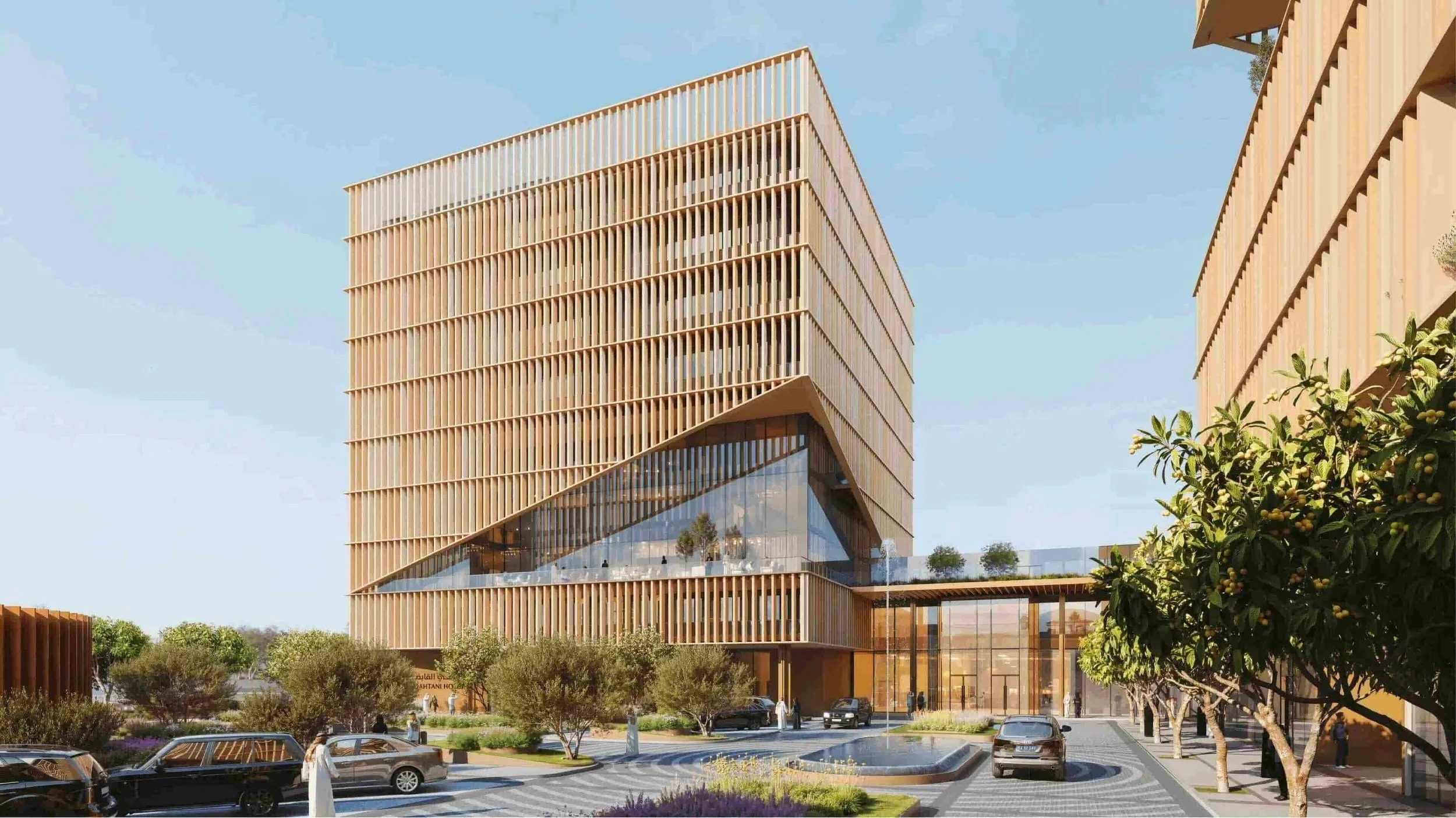
Conrad Hilton Wellness Club, AlKhobar, Saudi Arabia
Concept development, pre-design planning and equipment selection for a new 3,000 sqm wellness club in a luxury hotel for Refad Real Estate.
End-to-end services
All programmes can be delivered as part of a complete interior design scope, or supported in an advisory role where an interior designer is already appointed
-
Feasibility, area schedules, adjacency logic, capacity assumptions
-
Positioning, programme mix, guest journey, look-and-feel direction
-
From concept to technical design: finishes, lighting intent, FF&E, spa mood and materiality
-
Gym + spa + thermal + touchless categories, performance requirements, vendor comparisons
-
operating model inputs, staffing logic, guest journey, readiness planning
How we work with your spa project team
Option 1 — Full Scope (Including Interior Design)
We deliver spa and recovery interiors from concept to technical documentation, coordinating finishes, lighting intent, FF&E and technical requirements to ensure the facility is buildable, maintainable and consistent with brand positioning.
Option 2 — Specialist Advisory (Sub-Consultant)
Where a lead architect and interior design team are already appointed, we provide specialist planning, layouts, equipment and technical requirements, and review support—so spa and recovery requirements are embedded early and executed cleanly by the wider team.
frequently asked questions
FAQ
-
We support the planning and design of wellness environments including hotel spas, wellness retreats, recovery clubs, longevity-focused wellness facilities, hydrothermal experiences, wellness pools and residential wellness amenities.
-
Yes. We work with hotels, resorts and hospitality operators to develop spa concepts, wellness amenities, treatment areas, thermal experiences and recovery facilities that enhance the guest experience and support the overall positioning of the property.
-
Yes. Our experience includes recovery lounges, contrast therapy circuits, cold plunge facilities, infrared therapy spaces, mindfulness rooms and other wellness amenities commonly found in modern wellness clubs and longevity-focused destinations.
-
We provide concept planning, wellness programming, space planning and design coordination for hydrotherapy pools, vitality pools, wellness pools and contrast bathing experiences.
Detailed hydraulic engineering, filtration design and construction documentation are typically provided by specialist pool engineers and equipment suppliers.
-
Yes. We frequently assist clients during the early planning stages by defining wellness requirements, allocating space, developing user journeys and preparing technical briefing information for specialist consultants and suppliers.
-
No. Biofit acts as an independent consultant and designer. We help clients identify suitable equipment and suppliers but do not manufacture or supply equipment directly.
-
Our involvement varies depending on the project. We can support projects through concept development, schematic design, equipment planning and design coordination. Specialist engineering and construction documentation may be undertaken by other members of the project team where required.
-
Our clients include hotels, wellness retreats, residential developers, student accommodation operators, health clubs, wellness clubs, longevity clinics and private homeowners seeking to integrate wellness amenities into their projects.
contact us
Planning a Spa, Recovery or Wellness Facility?
Whether you are developing a hotel spa, wellness retreat, health club, residential wellness facility or longevity-focused destination, Biofit can help define the wellness experience and guide the project from concept through to implementation.
Contact us to discuss your project.