La Tour d’Eole | Resort Gym Concept & Equipment Standard (work in progress)
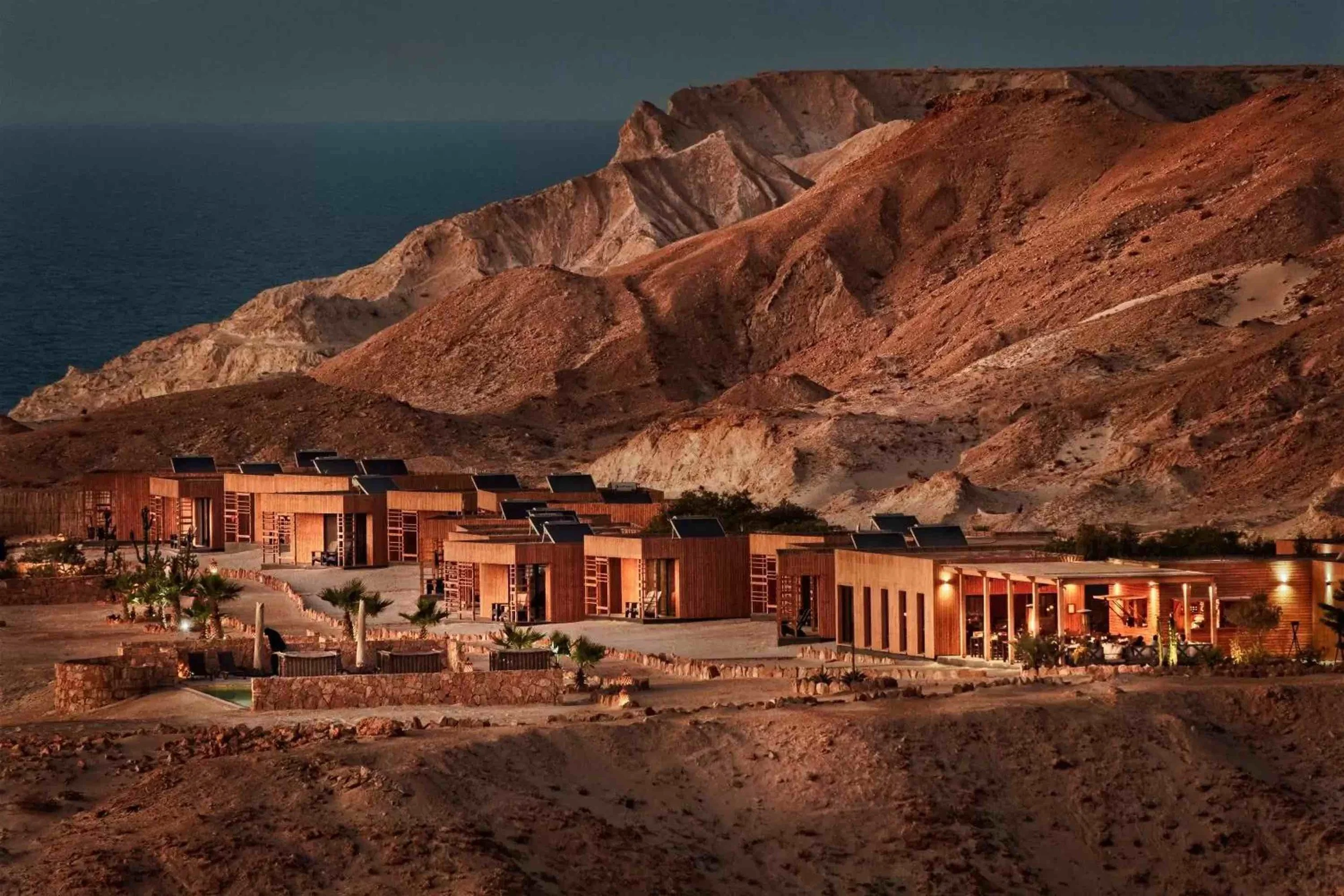
la tour d'eole eco-lodge morocco gym concept by Biofit
PROJECT OVERVIEW
Client: La Tour d’Eole (luxury eco-lodge hospitality brand)
Location: Dakhla, Morocco (with additional sites in development)
Sector: Hotels & Resorts | Lifestyle / Watersports
Biofit role: Gym concept strategy + equipment standard + site-specific layout support (ongoing)
Status: Resort gym Concept Definition phase in progress D
Target market: Premium travellers and visiting wellness-focused clients, many with an interest in kitesurfing
Indicative price point: Approx. EUR 150–200 per month
Size: 75m² > 100m² per gym building
The Brief
La Tour d’Eole is expanding across multiple properties with a consistent proposition: a luxury eco-lodge experience combined with watersports culture. The client required a brand-wide indoor gym concept that could be applied across locations, then adapted to each site footprint once architectural GA plans were available.
Biofit was appointed to define:
a coherent gym concept aligned to the brand and guest profiles
a repeatable “base module” gym standard
a kit-of-parts equipment schedule suitable for coastal destinations
high-level architect guidance to protect premium quality and durability
The Challenge
The client’s priority was to create a wellness club that feels distinctly “bespoke” rather than a standard gym fit-out—while keeping delivery practical with a local team managing construction.
Key requirements:
a coherent concept across reception, gym, movement studio and spa areas
a layout that supports multiple user types (individual training, coaching, small group use, recovery)
a delivery strategy that protects quality where it matters most (finishes, equipment, lighting impact, furniture)
Our approach
Phase 1: Brand-wide gym concept & equipment standard (in progress)
The Phase 1 objective is to define a single, coherent indoor gym concept and equipment standard that can be applied consistently across La Tour d’Eole properties.
Key outputs include:
Guest persona typologies and usage scenarios
Benchmark board (peer references across surf/kite hospitality)
Zoning logic and capacity assumptions for a 75 m² base module
Kit-of-parts equipment schedule (by category, with alternates based on availability)
Architect notes (mirrors, flooring, lighting, power/data readiness, durability)
Phase 2: Site-specific layout & coordination (upcoming)
Once GA plans are received for each site, Biofit will adapt the Phase 1 standard to the real footprints and constraints, producing:
to-scale equipment layouts and clearance checks
site-specific equipment quantities and final selections
coordination notes for the architect (flooring zones, mirrors, power/data points)
Scope of services (Biofit)
Fitness concept definition aligned to hotel brand and guest profiles
Capacity planning and zoning logic for a repeatable base module
Equipment strategy, selection logic and kit-of-parts scheduling
Architect guidance to protect premium outcomes (concept-level)
(Phase 2) Site-specific equipment layout and technical coordination
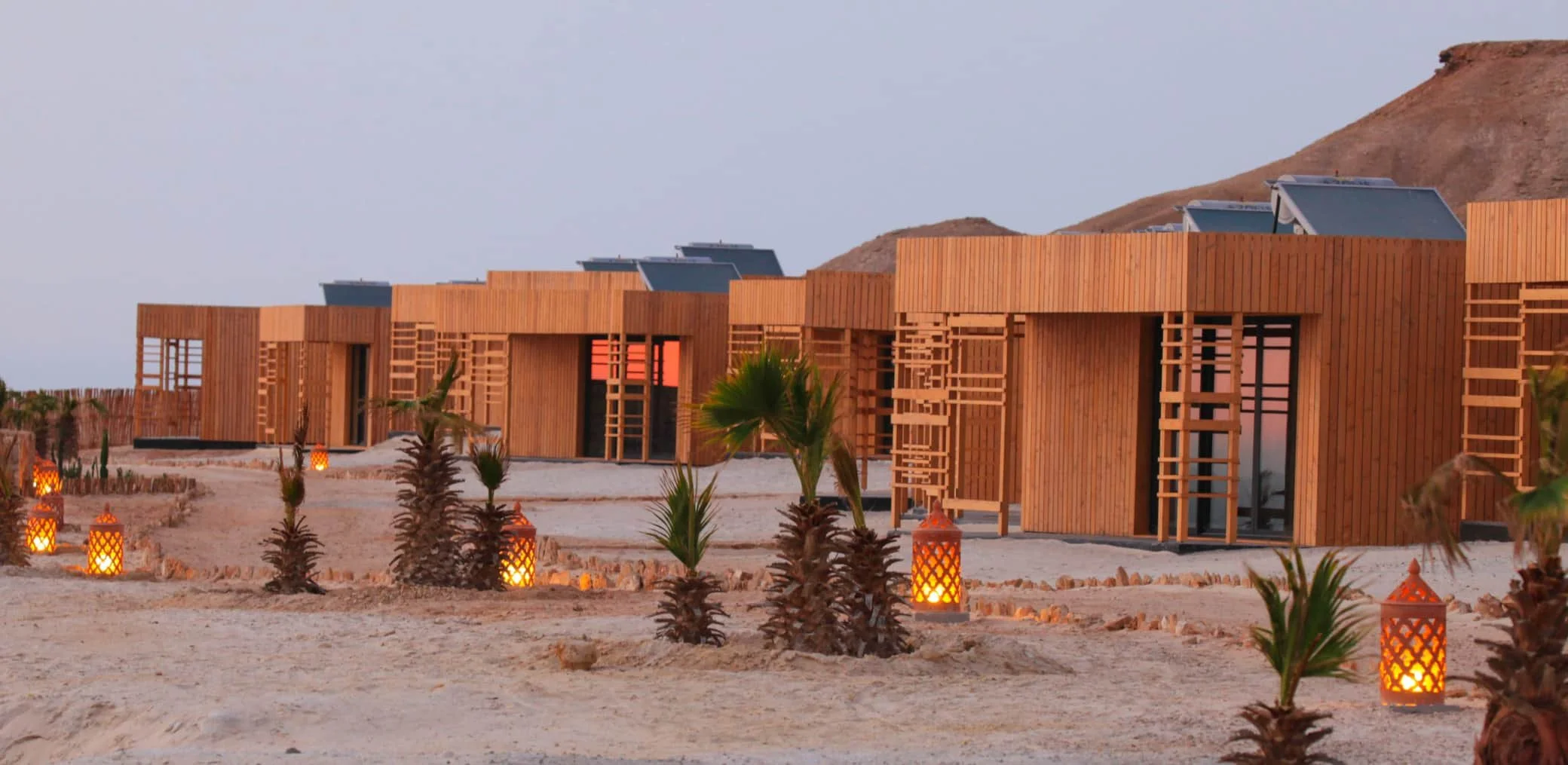
Early concept definition (work in progress)
Guest profiles we are designing for
The gym concept is being shaped around a blended guest mix:
watersports enthusiasts (performance support + resilience)
amateurs and beginners (confidence-building, low intimidation)
partners and family members (efficient, self-guided sessions)
What this means for the gym
Mobility / prep is treated as a primary zone, not leftover space
Equipment is curated, prioritising “few but right” over machine lines
Layout planning is station-led, supporting parallel use and clear circulation
Specification focuses on coastal durability and ease of cleaning/maintenance
As a lifelong surfer myself, this project has particular resonance as we are deliberately curating a gym concept around the specific requirements of the kite, surf and watersports community la tour d'eole caters to– Matt Aspiotis Morley
Frequently Asked Questions
-
For many boutique resorts, a well-designed 75 m² gym is a practical sweet spot: large enough to include a credible strength/functional offer, compact cardio, and a real mobility zone, while remaining efficient to build and operate. Smaller footprints can work, but usability and guest throughput become more sensitive to layout and storage discipline.
-
Guest usage is typically sport-supportive, not bodybuilding-led. The gym needs to serve warm-up and recovery routines, shoulder/hip resilience, functional strength, and short conditioning sessions — while also remaining welcoming for beginners, partners, and families who may use the gym more casually.
-
A brand-wide standard defines a repeatable base module: concept narrative, zoning logic, equipment “kit of parts,” and key interior principles. This reduces design drift across properties and speeds up delivery, while still allowing site-specific adaptation once GA plans and constraints are known.
-
A typical “must-have” kit includes:
One anchor station (rack or cable station, depending on guest mix)
Curated dumbbells, kettlebells, benches
3 cardio pieces (chosen for reliability and broad appeal)
A proper mobility toolkit (mats, bands, rollers) and dedicated floor space
Closed storage and a cleaning point to keep the room calm and premium
Exact quantities depend on how performance-led vs lifestyle-led the concept is.
-
We estimate capacity using a combination of station count (cardio/strength/mobility) and safe circulation assumptions. For a 75 m² module, a typical planning benchmark is ~9 users comfortably, with ~12 users at peak for short periods (e.g., when conditions change and more guests are training indoors). The reality is however that each gym user has his or her own level of comfort when it comes to the number of others around them in an enclosed space like a hotel gym. The higher the hotel price point, the lower the density of users we should plan for in the gym.
-
By designing around curation and flow:
fewer pieces, better selection
visible mobility space (not leftover)
integrated storage to avoid clutter
layered lighting and considered mirrors
equipment placed for clear circulation and parallel use
-
Coastal environments demand:
gym-specific rubber flooring and robust wall-base detailing
corrosion-resistant hardware and wipeable finishes
sand management at entry and easy-clean junctions
humidity/ventilation planning to protect equipment and finishes
These details often matter more than adding extra equipment.
-
Once the architect issues the GA plan for the gym room and confirms key constraints (structure/MEP/ceiling heights), we adapt the brand-wide standard into a to-scale site layout, equipment quantities, and technical coordination notes (flooring zones, mirrors, power/data points).
Biofit works with hotels and resorts to deliver guest-aligned, brand-specific fitness concepts and equipment standards — particularly for lifestyle-led destinations (surf, kite, outdoor adventure, wellness and longevity).
If you’re planning a gym, spa, or wellness club and want a delivery strategy that protects design intent through construction, contact us via email here or the form below.
Get In Touch
If you're interested in working with us, complete the form with a few details about your project. We'll review your message and get back to you within 48 hours.