How to Coordinate Spa Equipment Before Detailed Design
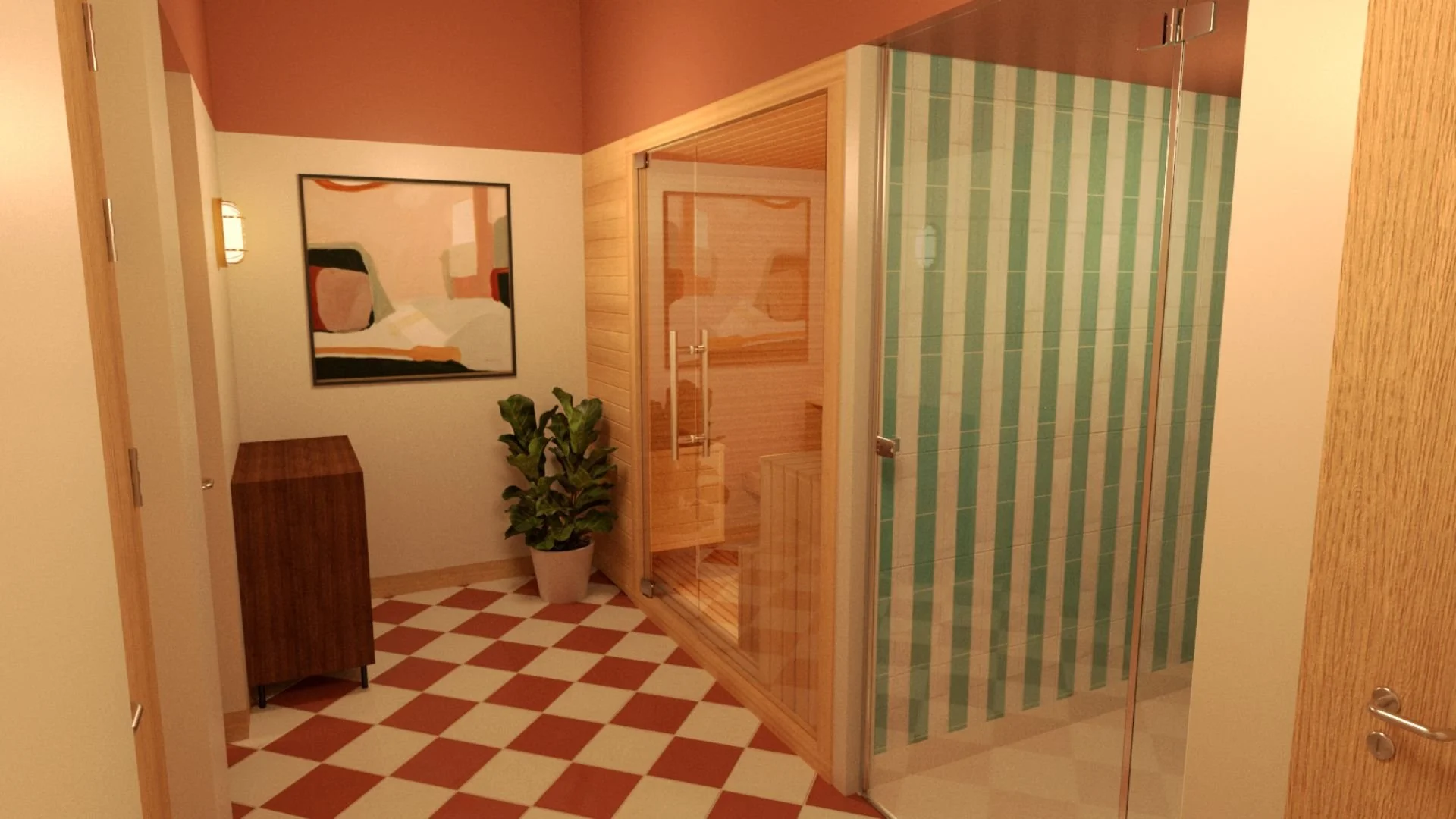
student co-living spa room design by Biofit
Spa equipment is often treated as something to be selected later in the project, once the concept design has been approved and the interior design is already underway.
In reality, many spa, pool and wellness equipment decisions need to be coordinated much earlier.
Saunas, hammams, cold plunge pools, hydrotherapy features, indoor pools, jacuzzis and recovery equipment all have technical implications for architecture, MEP, drainage, access, servicing and long-term maintenance. If these requirements are only reviewed at tender stage, the project may already be too far developed to accommodate them efficiently.
For hotels, wellness retreats, residential developments and private clubs, early spa equipment coordination can reduce redesign risk, improve procurement decisions and help the wider design team move forward with greater confidence.
Why Spa Equipment Coordination Matters
A spa is not simply a collection of rooms with specialist equipment added at the end.
Every major equipment decision affects the building around it.
For example:
A hammam requires steam generation, drainage, waterproofing and ventilation.
A sauna requires heat-resistant construction, electrical load coordination and safe clearances.
A cold plunge requires water treatment, temperature control, access for maintenance and drainage.
A hydrotherapy pool may require specific filtration rates, balance tank capacity and plant room space.
A relaxation pool may still need significant technical infrastructure, even when it is not designed for swimming.
These requirements influence the layout, technical spaces, service routes and sometimes even the structural or architectural strategy of the project.
If they are not coordinated early, the result can be late design changes, increased cost, compromised equipment choices or operational issues once the facility opens.
The Problem With Leaving Equipment Until Tender
Many projects move from concept design into detailed design with only a broad assumption about the equipment package.
The design team may know that the project includes a sauna, steam room, pool and cold plunge, but not yet know:
The exact equipment footprint
The required plant room size
The maintenance access required
The power and water demand
The drainage strategy
The supplier’s installation requirements
The ventilation implications
The long-term servicing requirements
This creates a gap between the architectural vision and the technical reality of the project.
By the time suppliers are formally asked to quote, they may identify issues that require changes to layouts, service zones, wall build-ups, plant rooms or MEP assumptions. These changes are much harder to resolve once detailed drawings have already been developed.
What Should Be Coordinated Before Detailed Design?
Before detailed design begins, the project team should have a clear understanding of the main technical assumptions behind each major spa component.
This does not mean every product must be fully specified, but it does mean the design should be tested against realistic equipment requirements.
Key coordination items include:
Equipment dimensions and clearances
Plant room requirements
Drainage and water supply
Electrical loads
Ventilation and humidity control
Waterproofing implications
Access for installation
Access for maintenance
Service routes
Operational flow
Cleaning and housekeeping requirements
Future replacement access
This is especially important in projects where the spa is being integrated into an existing building, a tight footprint or a complex mixed-use development.
The Role of Specialist Suppliers
Specialist suppliers should not only be contacted when the project is ready for pricing.
Used correctly, they can provide valuable technical input before the design is locked.
At this stage, the goal is not simply to collect quotations. It is to validate assumptions.
Supplier input can help confirm whether:
The proposed layout is practical
The technical spaces are sufficient
The equipment can be installed and maintained
The proposed system is appropriate for the usage level
Alternative solutions may be more efficient
The project team has allowed for the right technical interfaces
This early validation helps architects, engineers and clients make better decisions before detailed design progresses too far.
Independent Coordination Versus Supplier-Led Design
There is an important distinction between taking technical advice from suppliers and allowing suppliers to drive the whole design process.
Suppliers are essential technical partners, but their recommendations are naturally shaped by their own product range and preferred systems.
An independent wellness design consultant can help the client compare supplier advice, interpret technical requirements and understand the implications for the project as a whole.
This is where Biofit’s role sits: between the client, architect, MEP engineer and specialist equipment suppliers.
Our aim is to ensure the equipment strategy supports the overall wellness concept, operational model, budget and design intent, rather than allowing the project to become driven by isolated product decisions.
How Biofit Coordinates Spa Equipment
Biofit’s technical coordination and procurement strategy process typically includes:
Reviewing the spa or wellness concept against likely equipment requirements.
Identifying technical risks, missing information and coordination gaps.
Engaging relevant specialist suppliers for early technical validation.
Comparing alternative approaches where appropriate.
Reviewing implications for architecture, MEP, plant rooms, access and operations.
Preparing recommendations for the client and wider design team before detailed design progresses.
The objective is to give the project team a clearer route forward before major procurement or documentation decisions are made.
Typical Equipment We Coordinate
This process is relevant to a wide range of spa and wellness components, including:
Saunas
Hammams and steam rooms
Cold plunge pools
Ice baths
Indoor relaxation pools
Hydrotherapy pools
Jacuzzis
Experience showers
Recovery equipment
Infrared cabins
Water treatment systems
Pool filtration systems
Plant room equipment
Specialist gym and wellness technology
The more technically complex the facility, the more valuable early coordination becomes.
Better Decisions Before Procurement
Spa equipment procurement should not be based on price comparison alone.
Two suppliers may propose very different technical approaches to the same brief. One solution may be cheaper upfront but require more maintenance, more plant room space, higher running costs or more complex installation.
A proper coordination process helps clients evaluate:
Technical suitability
Capital cost
Running cost
Maintenance burden
Supplier support
Installation complexity
Warranty and servicing
Compatibility with the design intent
Long-term operational value
This creates a more informed procurement process and reduces the likelihood of costly surprises later.
A Smarter Way to Move Into Detailed Design
Detailed design should begin with confidence, not assumptions.
By coordinating spa equipment before detailed design, clients can reduce technical uncertainty, support better decision-making and give architects and engineers the information they need to progress efficiently.
For developers, hotel owners and wellness operators, this stage can be the difference between a smooth delivery process and a project that becomes increasingly difficult to coordinate as construction approaches.
At Biofit, we help clients bridge the gap between wellness concept design, technical coordination and specialist equipment procurement, creating spa and wellness facilities that are inspiring, buildable and operationally robust.
Planning a Spa or Wellness Project?
Biofit works with developers, architects and project teams to coordinate spa, pool and wellness equipment before detailed design and procurement decisions are finalised.
If you are planning a hotel spa, wellness retreat, residential amenity or private wellness club, we can help you identify technical risks early and develop a clearer route toward delivery.