Insights_Residential amenities
Wellness amenities are now a core part of residential value—supporting leasing performance, resident satisfaction and brand differentiation. This hub curates Biofit insights on amenity strategy, programming and design for multi-family/BTR, co-living, and private residential wellness spaces—with a focus on durability, utilisation and operational practicality.
What this hub covers
Amenity strategy: what to include, what to avoid, and how to match resident profile and brand positioning
Programming and capacity: sizing and zone mix for compact footprints and peak periods
Experience + interiors: durability-led finishes, lighting intent, acoustic comfort and brand expression
Specification and coordination: equipment schedules, storage, servicing clearances and early technical implications
Operations and readiness: cleaning/maintenance logic, supervision, booking rules and launch readiness
featured articles
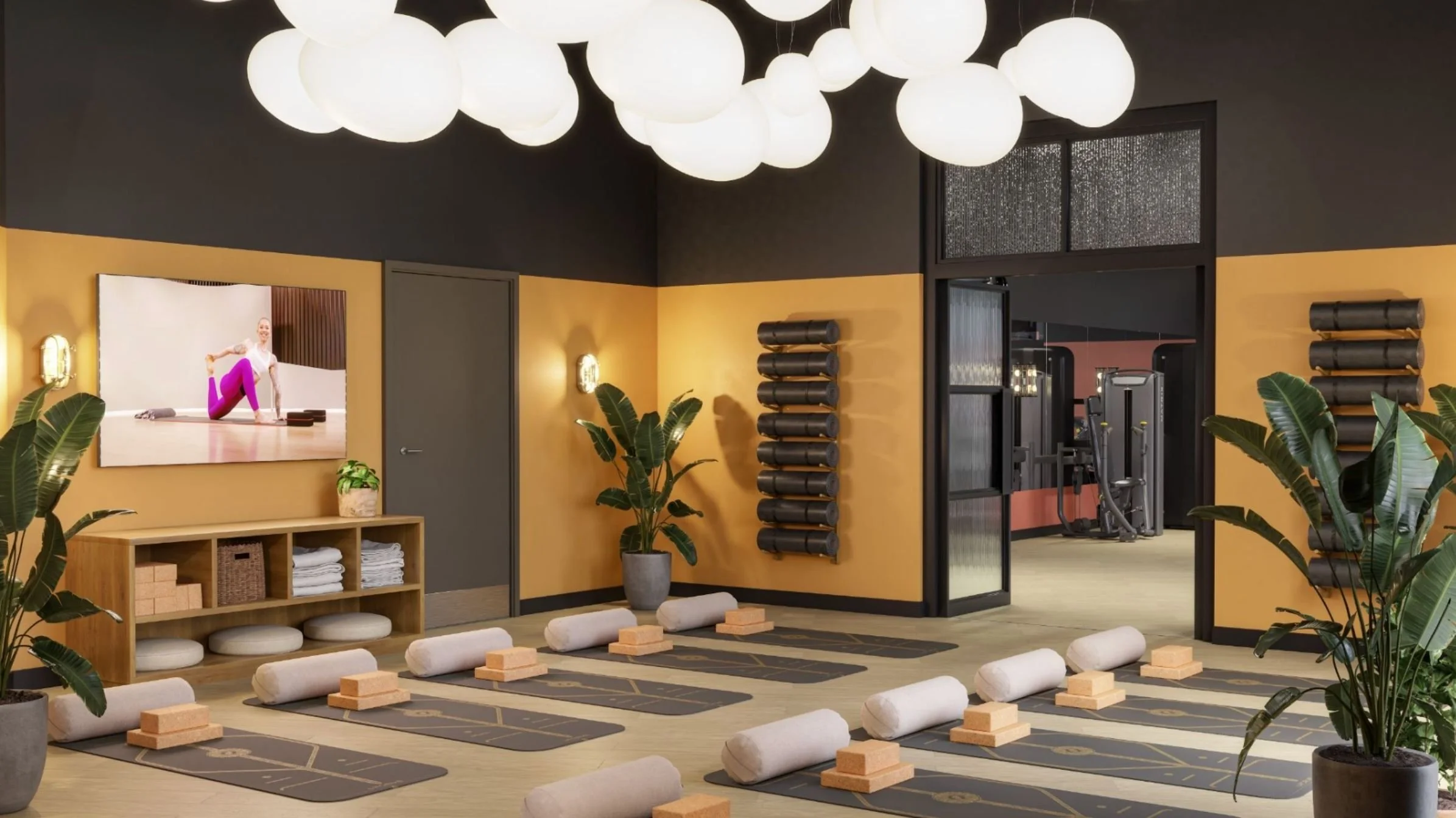
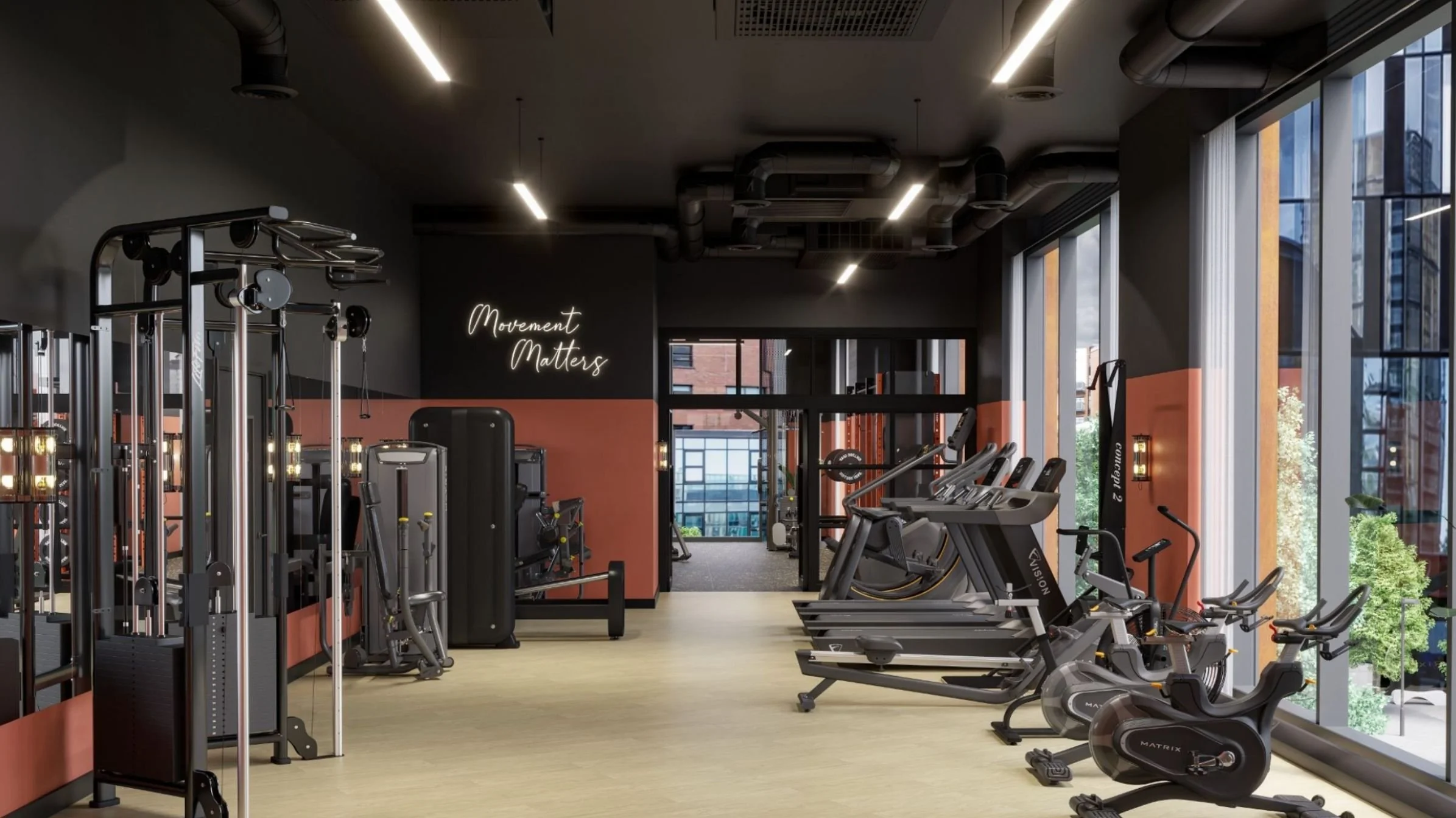



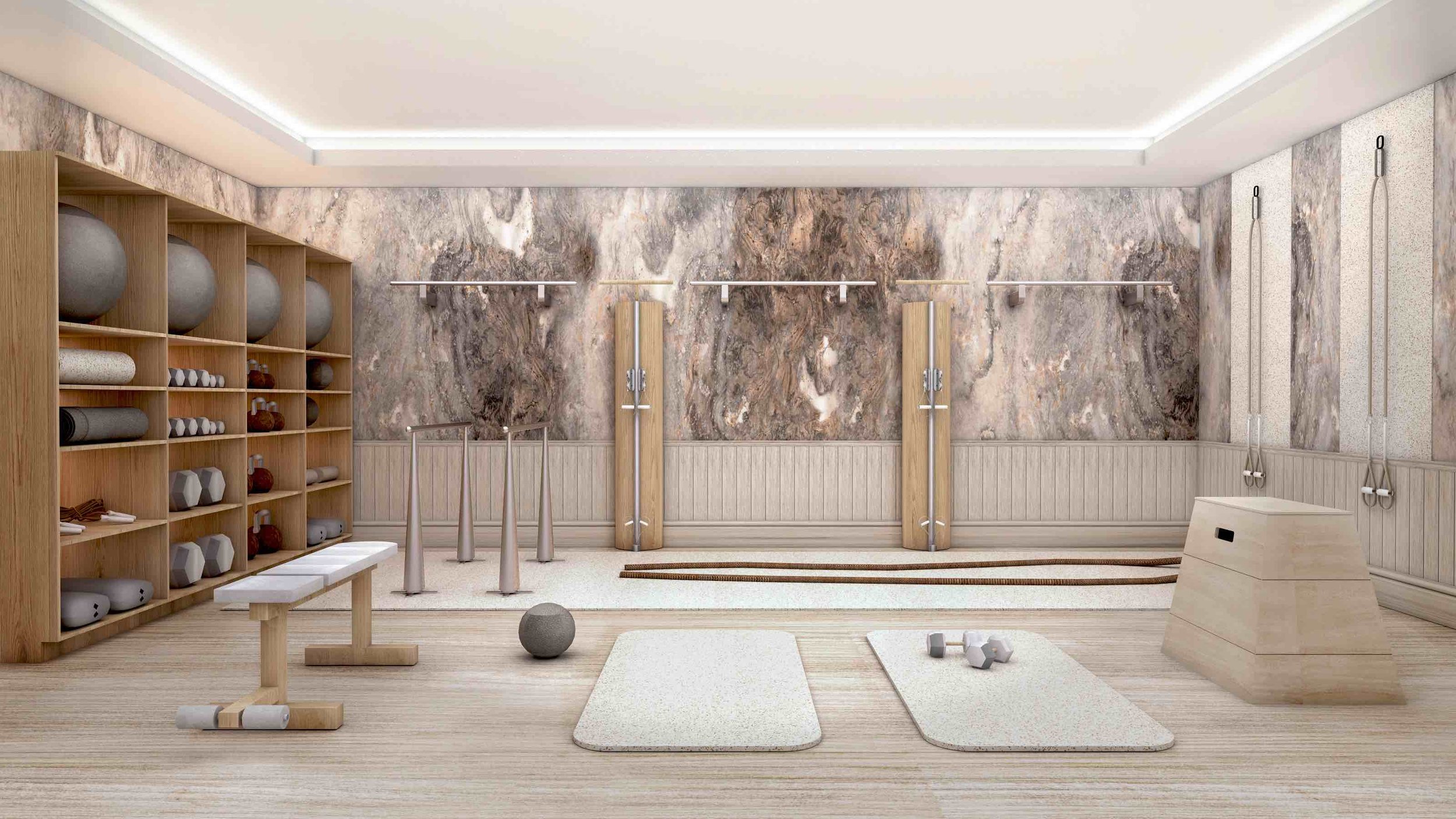

Relevant case studies
Residential projects where Biofit supported amenity planning, design and delivery—tailored to resident profile, footprint constraints and durability requirements.
Residential wellness FAQ
-
It depends on resident profile and positioning, but high-performing schemes typically prioritise a well-planned gym, flexible studio/multi-use space, and a practical recovery/regeneration zone—delivered with durable specification and clear operational rules.
-
Residential gyms have smaller footprints, varied user ability, and different peak usage patterns. Layouts must be intuitive and safe, with realistic spacing, strong storage strategy, and durable finishes that hold up under daily use and cleaning.
-
Co-living amenities often need a balance of social energy and privacy. Clear zoning, booking logic (where relevant), cleaning/maintenance practicality, and robust materials are key to a facility that stays attractive and usable over time.
-
Yes. Where appropriate, we support private residential wellness spaces with tailored planning, specification and interior design—delivered discreetly and with buildability in mind.
Residential Amenities Glossary
-
Amenity strategy defines which shared facilities drive real value for the asset—balancing space, budget, utilisation and resident expectations. A strong strategy supports leasing appeal and retention, while avoiding underused rooms that are costly to build and maintain.
-
Build-to-rent refers to professionally managed rental housing where amenities form part of the resident proposition. Wellness amenities in BTR must be durable, easy to maintain, and planned for consistent daily use rather than occasional peak events.
-
Utilisation planning estimates when and how residents use the gym and amenities. It informs zone sizing, circulation, storage needs and equipment mix—helping compact facilities remain comfortable and safe at peak times.
-
Durability-led specification prioritises materials, finishes and equipment choices that withstand heavy use and frequent cleaning. In residential settings, durability directly affects lifecycle cost, downtime and perceived quality over time.
-
Co-living amenities support a shared lifestyle and community experience. Wellness spaces in co-living must balance social energy with privacy, and include operational considerations such as booking logic, supervision, storage and cleaning.
Planning wellness amenities for a residential development?
Share your plans and short brief. We’ll recommend a practical scope—from amenity strategy and concept through interiors, specification and pre-opening support—aligned to your resident profile and operational realities.