Gym Design for Modern Wellness Developments: Beyond Cardio and Weights

social wellness club gym design by Biofit
For decades, gym design followed a relatively simple formula.
Allocate a room, fill it with cardiovascular equipment, add a selection of resistance machines and free weights, and the fitness amenity was complete.
Today, expectations are very different.
Across hotels, residential developments, universities, wellness retreats and private clubs, fitness facilities are evolving into broader wellness destinations that support movement, recovery, social connection and long-term wellbeing.
As a result, developers and operators are increasingly asking a different question:
How can fitness spaces contribute to the overall wellness experience of a property?
The answer often extends far beyond traditional gym design.
The Evolution of the Modern Gym
The fitness industry has undergone significant transformation over the past decade.
While strength training and cardiovascular exercise remain important, users increasingly seek facilities that support a wider range of health and wellbeing goals.
Modern fitness spaces are expected to accommodate:
Strength training
Functional fitness
Mobility and flexibility
Recovery and regeneration
Mindfulness and stress reduction
Social interaction
Outdoor activity
Long-term healthy lifestyles
This shift is changing how fitness facilities are planned and designed.
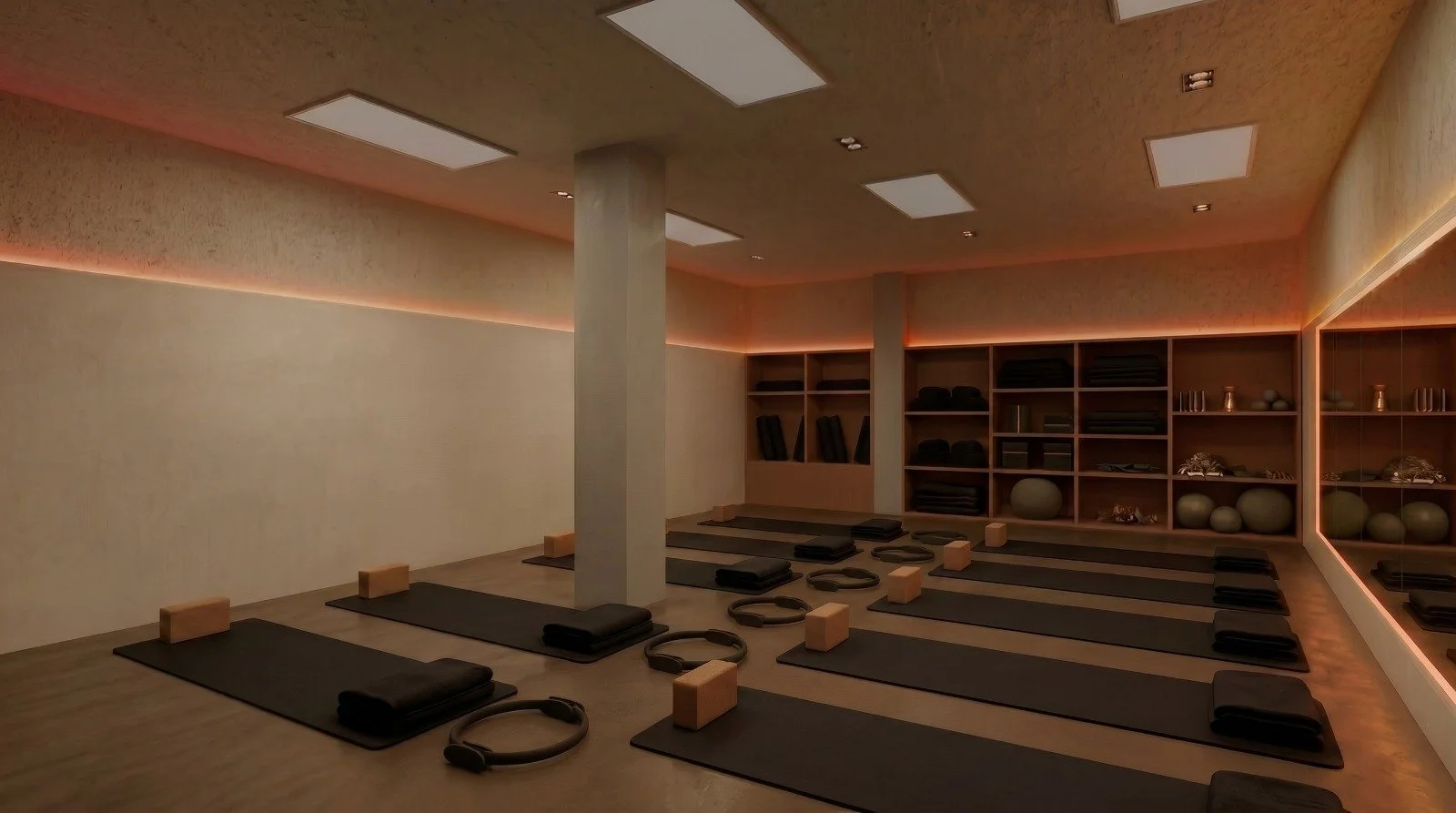
heated movement studio interior design by Biofit
From Fitness Rooms to Wellness Ecosystems
One of the most significant changes in recent years has been the integration of fitness facilities within broader wellness environments.
Rather than treating the gym as an isolated amenity, leading developments are creating interconnected wellness ecosystems that combine movement, recovery and social wellbeing.
A modern wellness facility may include:
Movement
Gym facilities
Functional training zones
Group exercise studios
Yoga and Pilates spaces
Outdoor fitness environments
Recovery
Saunas
Steam rooms
Cold plunge pools
Recovery lounges
Infrared therapy spaces
Social Wellbeing
Wellness cafés
Member lounges
Co-working areas
Community spaces
Active Recreation
Sports courts
Outdoor recreation facilities
Walking and running routes
Nature-based fitness experiences
The most successful projects create meaningful connections between these elements rather than treating them as separate amenities.
Hotel Fitness Facilities Are Evolving
Guests increasingly expect more than a basic hotel gym.
While traditional fitness rooms remain important, many hospitality operators are investing in wellness-oriented amenities that support relaxation, recovery and overall wellbeing.
Examples include:
Integrated fitness and recovery facilities
Outdoor workout terraces
Wellness pools
Contrast therapy experiences
Yoga and mindfulness spaces
Wellness gardens
These amenities help hotels differentiate themselves while responding to growing demand for wellness-focused travel experiences.
Residential Developments Are Raising Expectations
Fitness amenities have become an important differentiator within residential developments.
Buyers and residents increasingly evaluate wellness offerings when comparing properties, particularly within premium and mixed-use developments.
Today's residential wellness facilities may include:
Fitness suites
Functional training areas
Recovery facilities
Outdoor fitness spaces
Wellness lounges
Sports amenities
When thoughtfully designed, these facilities can support resident wellbeing while contributing to the long-term value of a development.
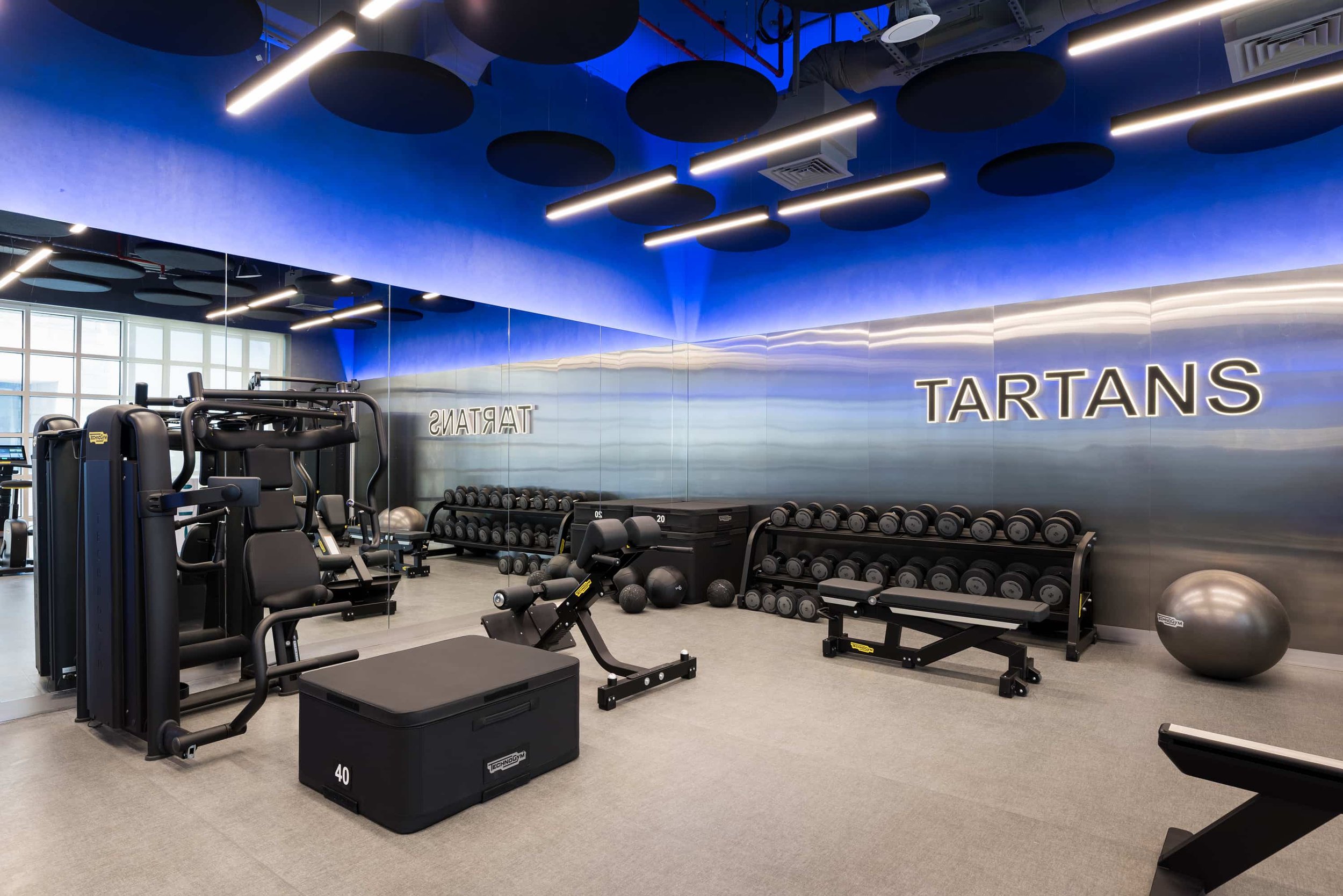
Universities and Student Living
Universities are increasingly recognising the role wellness plays in student success.
Fitness facilities are no longer viewed solely as recreational amenities. They are becoming important tools for supporting physical health, mental wellbeing and social connection.
Modern campus recreation environments may include:
Fitness centres
Functional training spaces
Group exercise studios
Mindfulness rooms
Outdoor fitness facilities
Sports and recreation amenities
These environments can help foster healthier and more engaged student communities.
Planning Before Equipment Selection
One of the most common mistakes in gym projects is focusing on equipment before defining the overall wellness strategy.
Successful projects typically begin with a series of fundamental questions:
Who will use the facility?
What are their goals and expectations?
How does the fitness space support the wider project vision?
What supporting wellness amenities should be included?
How will the facility operate on a daily basis?
Only after these questions have been answered should equipment selection and detailed design begin.
The Importance of Flexibility
Fitness trends continue to evolve rapidly.
Facilities designed around a single activity or training style can quickly become outdated.
Flexible environments allow operators to adapt programming, equipment and user experiences over time without requiring major refurbishment.
This flexibility is increasingly becoming a key consideration for developers, hospitality operators and wellness brands seeking long-term value from their investment.
Looking Beyond the Gym
The most successful fitness facilities are no longer defined solely by the quality of their equipment.
Instead, they are measured by their ability to support movement, recovery, wellbeing and community.
Whether within a hotel, residential development, university campus or wellness retreat, fitness spaces increasingly form part of a wider ecosystem of wellness amenities designed to enhance the overall user experience.
As the wellness industry continues to evolve, the future of gym design will be less about individual pieces of equipment and more about creating environments that help people live healthier, more active and more connected lives.
Planning a Gym or Wellness Facility?
Whether you are developing a hotel, residential community, wellness club, university campus or private residence, Biofit can help define the right fitness and wellness strategy for your project.
From early planning and equipment strategy through to concept development, design coordination and pre-opening support, we help clients create environments that support movement, recovery and long-term wellbeing.