Wellness Pool Design: A Guide for Hotels, Retreats and Luxury Residences
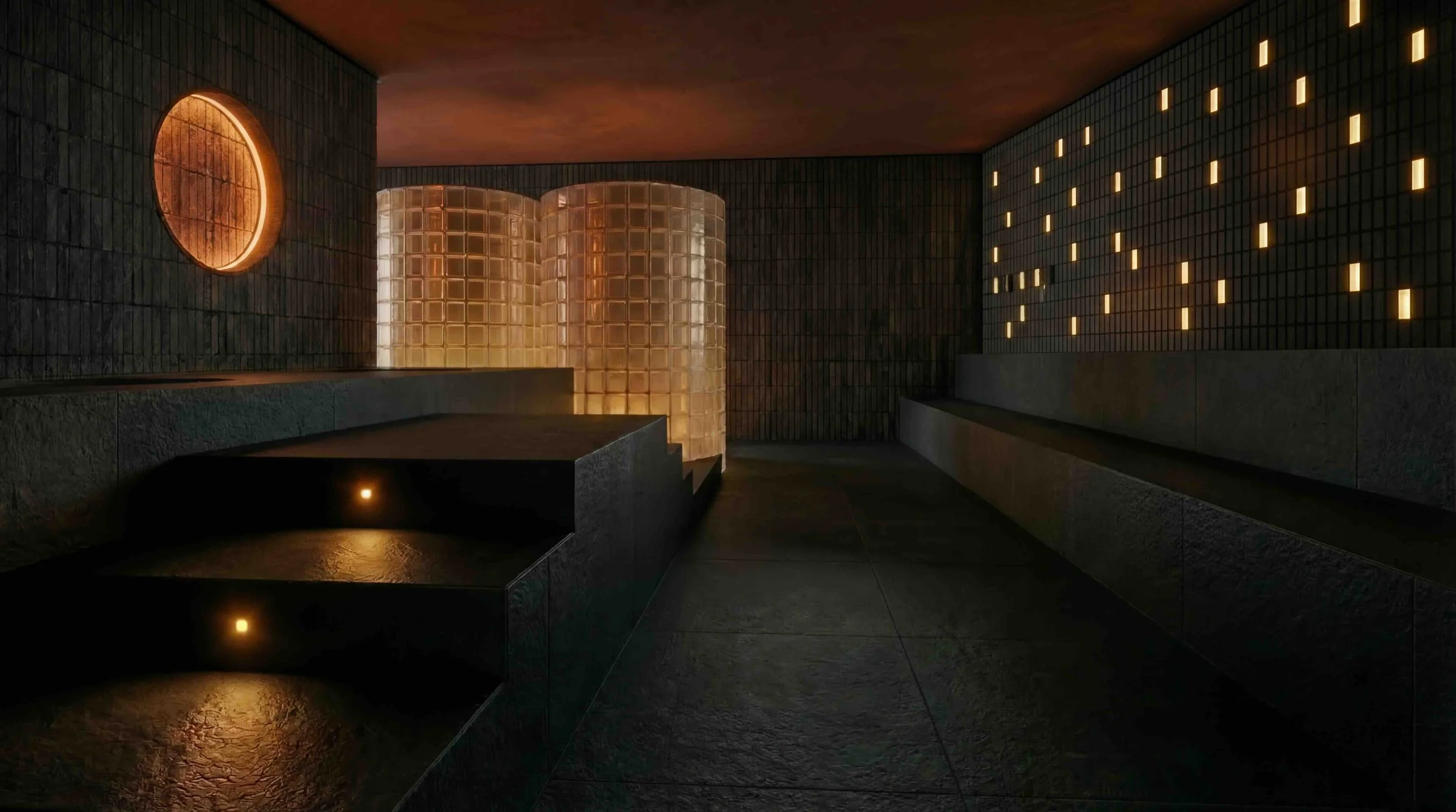
social wellness bathing area by Biofit for CRCLE Wellness Club, Marbella, Spain
The role of water within wellness environments is evolving rapidly.
While traditional swimming pools remain popular amenities within hotels, residential developments and private homes, today's wellness-focused projects increasingly require something different. Rather than serving purely recreational purposes, water is being used to support relaxation, recovery, social wellbeing and long-term health.
As a result, developers, hoteliers and wellness operators are investing in hydrotherapy pools, vitality pools, cold plunge facilities, thermal bathing circuits and other water-based wellness experiences that extend far beyond conventional pool design.
At Biofit, we increasingly see clients seeking guidance on how these experiences can be integrated into wellness clubs, boutique hotels, wellness retreats and residential developments. Understanding the differences between these various pool types is an important first step in creating a successful wellness destination.
What Is a Wellness Pool?
A wellness pool is designed primarily to support wellbeing rather than exercise or recreation.
Unlike a traditional swimming pool, wellness pools are typically incorporated into a broader wellness journey that may include thermal experiences, contrast therapy, relaxation spaces, movement facilities and recovery amenities.
The objective is not simply to provide a place to swim, but to create an environment that supports physical recovery, mental restoration and overall wellbeing.
Examples include:
Hydrotherapy pools
Vitality pools
Thermal pools
Cold plunge pools
Spa pools
Recovery pools
Contrast bathing circuits
Relaxation pools
Each serves a different purpose and should be planned accordingly.
Hydrotherapy Pools
Hydrotherapy pools use warm water, jets and carefully designed circulation systems to support relaxation and recovery.
These pools are commonly found within luxury spas, wellness retreats and rehabilitation facilities. Water temperatures are typically warmer than standard swimming pools, encouraging muscle relaxation and stress reduction.
Hydrotherapy pools often incorporate:
Massage jets
Air beds
Water loungers
Neck cascades
Bubble features
Gentle circulation currents
They are designed to encourage users to spend time within the water rather than swimming laps.
Vitality Pools
Vitality pools have become one of the defining features of contemporary spa and wellness facilities.
These pools typically combine warm water with a range of hydrotherapy experiences, allowing guests to move through different stations that target specific muscle groups and promote circulation.
Features may include:
Hydro-massage stations
Bubble benches
Water jets
Air loungers
Massage zones
Thermal seating areas
Vitality pools are often integrated into larger thermal circuits that include saunas, steam rooms and cold plunge facilities.
Cold Plunge Pools and Contrast Therapy
Cold water immersion has become one of the fastest-growing trends in wellness design, so much so that we need to be cautious of its long-term appeal, placing them in appropriate locations with proper planning for filtration and maintenance.
Once primarily associated with athletic recovery, cold plunge pools are now increasingly found within hotels, wellness clubs, residential developments and longevity-focused wellness facilities. Why? They are challenging, give an intense feeling of wellbeing immediately afterwards and can be genuinely fun to use in a social context.
Cold plunge experiences are most commonly paired with heat-based therapies such as:
Finnish saunas
Infrared saunas
Steam rooms
Hammams
This combination creates a contrast therapy circuit designed to stimulate circulation, support recovery and enhance the overall wellness experience.
The growing popularity of contrast bathing has led many developers to allocate dedicated space for cold-water experiences from the earliest stages of project planning.
Indoor Wellness Pools
Indoor wellness pools present unique opportunities and challenges.
Unlike conventional indoor swimming pools, wellness pools often form part of a broader experience that includes thermal facilities, recovery areas and relaxation lounges.
Early planning should consider:
User journeys
Technical space requirements
Thermal experience sequencing
Humidity management
Accessibility
Integration with other wellness amenities
These considerations can significantly influence both the design and operational success of a project.
Wellness Pools for Hotels and Resorts
For hospitality operators, wellness pools can provide an important point of differentiation.
Guests increasingly expect wellness experiences that extend beyond the traditional hotel spa model. Water-based wellness amenities can help create memorable experiences while supporting a property's overall wellness positioning.
Examples include:
Rooftop hydrotherapy pools
Thermal bathing circuits
Vitality pools
Outdoor recovery pools
Cold plunge facilities
Wellness gardens incorporating water features
When combined with movement, recovery and relaxation amenities, these facilities can contribute significantly to guest satisfaction and dwell time.
Wellness Pools for Residential Developments
Residential wellness amenities continue to evolve.
While swimming pools remain popular, many developers are now exploring how wellness-oriented water experiences can add value to residential projects and support healthier lifestyles.
Examples may include:
Hydrotherapy pools
Wellness pools
Sauna and cold plunge facilities
Recovery areas
Outdoor wellness environments
These amenities can help differentiate projects in increasingly competitive residential markets.
Planning Before Engineering
One of the most common misconceptions is that wellness pool design begins with engineering.
In reality, successful projects begin by defining the wellness experience itself.
Questions such as:
Who will use the facility?
What wellness outcomes are being targeted?
How does the pool connect to other wellness amenities?
What role does the water experience play within the wider project?
should be addressed before detailed engineering begins.
Only once these decisions have been made should specialist pool engineers, MEP consultants and equipment suppliers develop the technical systems required to deliver the experience.
Conclusion
Wellness pools are becoming an increasingly important component of hotels, wellness retreats, residential developments and longevity-focused destinations.
Whether incorporating hydrotherapy, vitality experiences, contrast therapy or relaxation-focused water environments, successful projects begin with a clear understanding of the desired user experience.
By considering wellness objectives, operational requirements and user journeys from the outset, developers can create water-based wellness amenities that deliver long-term value while enhancing the overall experience of a destination.
Planning a Wellness Pool or Hydrotherapy Experience?
Whether you are developing a hotel, wellness retreat, residential community or private wellness facility, careful planning is essential to creating a successful water-based wellness experience.
Biofit helps clients define wellness objectives, user journeys, spatial requirements and amenity strategies before specialist engineering and supplier teams become involved.
From hydrotherapy pools and vitality pools to contrast therapy circuits and integrated wellness environments, we support projects from early concept development through to design coordination and implementation planning.