Gym vs. Spa Lighting: A Technical Guide to Wellness Zoning
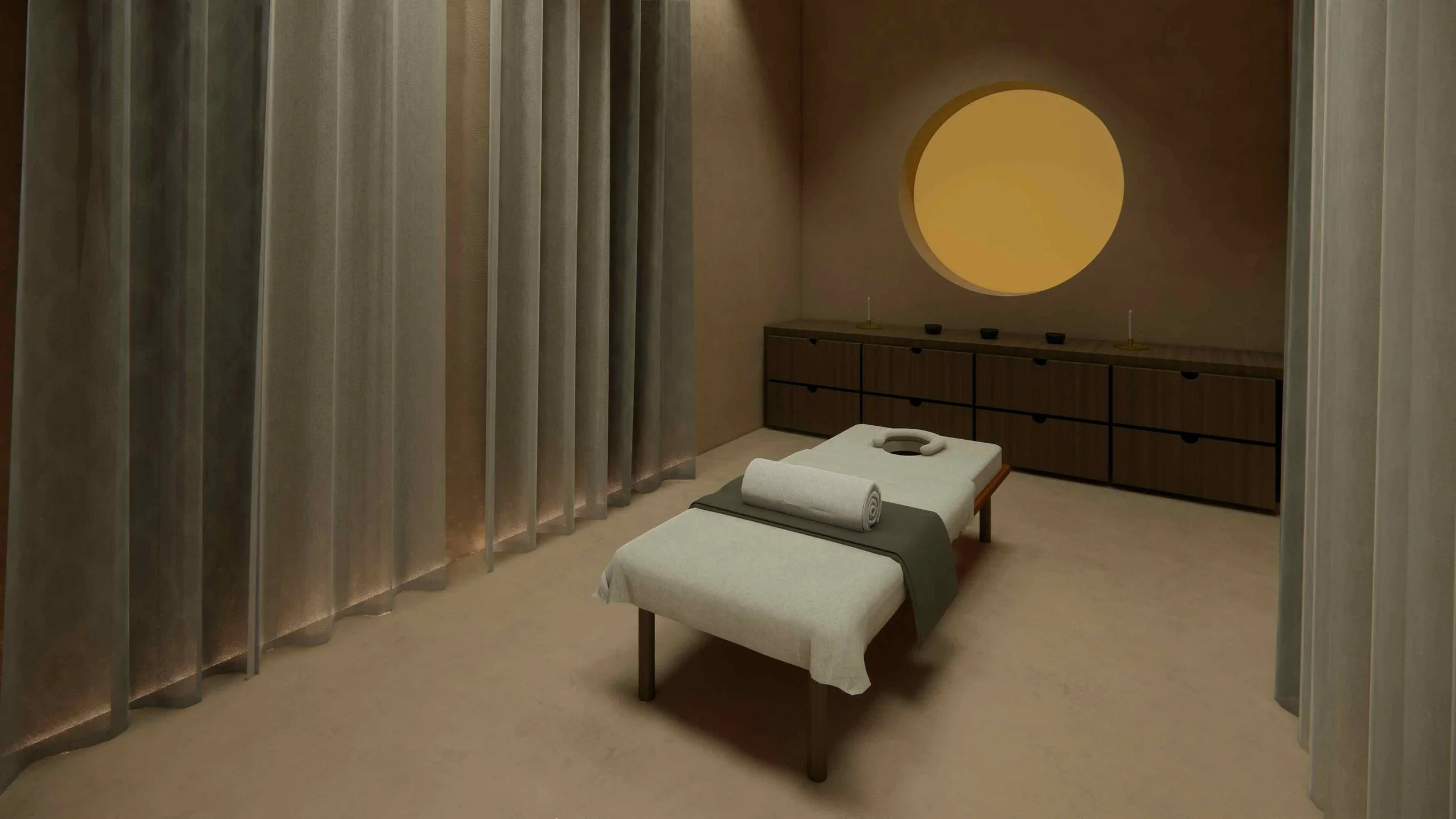
In modern wellness real estate, lighting is no longer a secondary "fit-out" consideration; it is a vital architectural tool that dictates user behavior, safety, and biological response. As wellness consultants, we often see a "one-size-fits-all" approach to illumination that ignores the physiological needs of the guest.
In reality, the lighting requirements for a high-performance HIIT zone and a luxury recovery suite are diametrically opposed. To create a facility that truly performs, developers must move beyond aesthetics and embrace biological zoning.
The Core Distinction: Biological Zoning and Color Temperature
The Answer Capsule: The primary difference between gym and spa lighting lies in the "Kelvin Scale." Gyms require cool, high-intensity light (4000K–5000K) to suppress melatonin and stimulate alertness. Spas require warm, low-intensity, indirect light (2200K–2700K) to trigger the parasympathetic nervous system and facilitate deep relaxation.
By treating light as a functional "invisible wall," designers can transition guests from a state of high-arousal motivation to restorative decompression within the same building footprint.
Zone 1: The High-Acuity Gym Floor
The Goal: Safety, Clarity, and Cognitive Arousal.
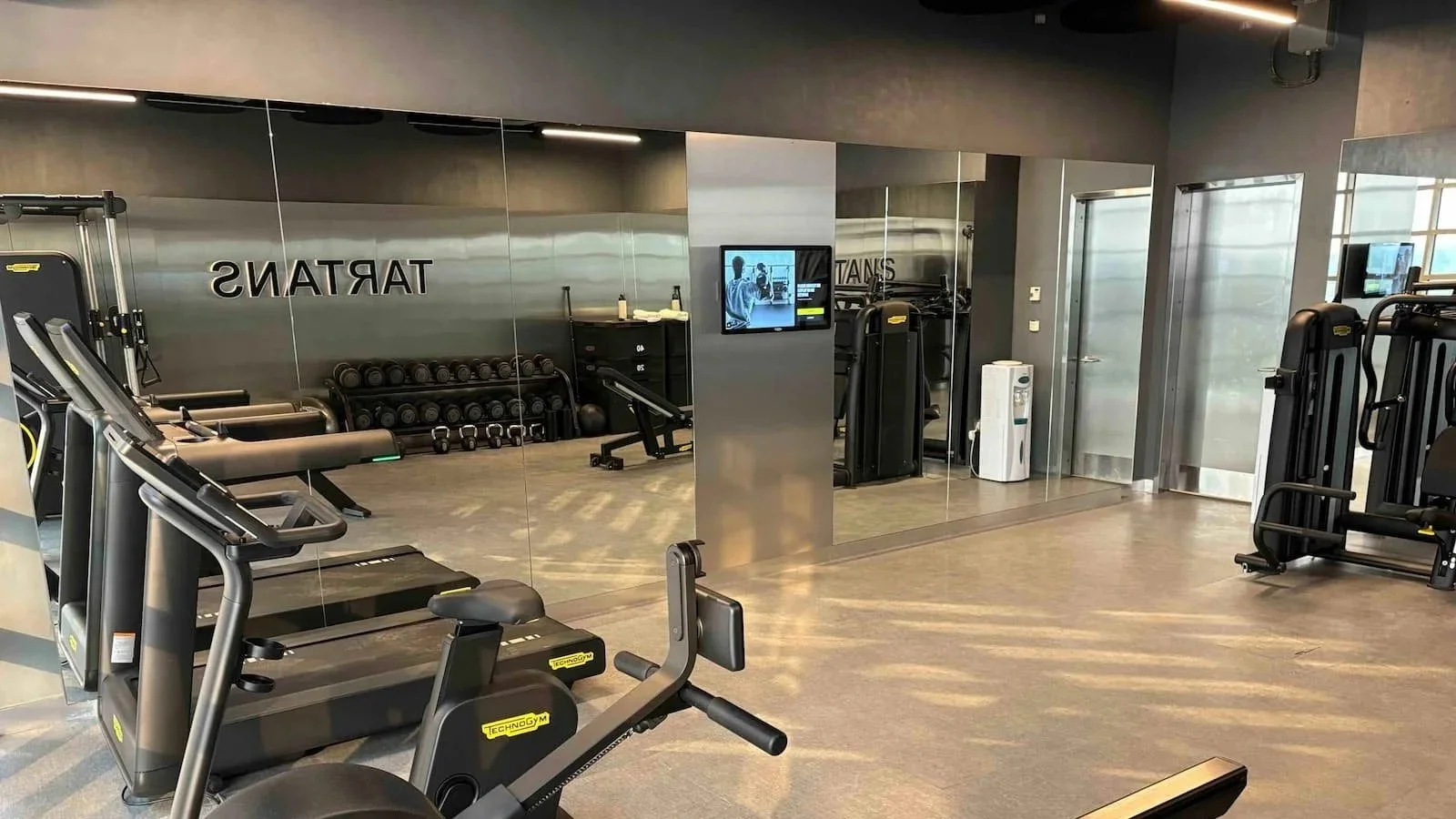
In a gym environment, lighting is a stimulant. Its primary role is to drive focus and ensure the safety of members moving through complex, high-velocity planes of motion.
1. The Kelvin Shift
To keep heart rates high and suppress the onset of fatigue, we utilize color temperatures at the cooler end of the spectrum. We typically specify 4000K (Neutral White) or 5000K (Daylight). These temperatures mimic the sun at its peak, signaling the body to inhibit melatonin production and increase cortisol—the hormone responsible for alertness.
2. Lux Levels and Uniformity
Shadows are the enemy of gym safety. We aim for high Lux levels (300–500 Lux) across the main workout floor. However, raw brightness is not enough; uniformity is the metric that matters. Linear LED arrays are the gold standard here, providing consistent vertical illuminance so that members can see their form clearly in mirrors and judge the distance of moving equipment.
3. Managing the "Glare Factor" (UGR)
A common pitfall in gym design is high-output downlighting positioned directly over benches or stretching mats. If a member is performing a bench press and looking directly into a high-intensity LED, the resulting "disability glare" causes eye strain and discomfort. At Biofit, we specify fixtures with a Unified Glare Rating (UGR) of less than 19, ensuring visual comfort even during supine exercises.
Zone 2: The Low-Contrast Spa & Recovery Suite
The Goal: Sensory Withdrawal and Down-Regulation.
The spa experience is defined by the absence of stress. The lighting design must facilitate a "sensory retreat," signaling to the guest that it is time to shift into the parasympathetic nervous system.
1. The Power of Warmth
We drop the color temperature significantly to a "candlelight" range of 2200K to 2700K. This warm, amber-hued light mimics the spectrum of a sunset, naturally triggering the body's sleep-wake cycle (circadian rhythm) to begin the process of relaxation.
2. The Art of the Indirect Source
In luxury spa design, the light source should be felt, not seen. We prioritize integrated joinery lighting, floor-level grazers, and cove LEDs. By bouncing light off textured stone or timber surfaces, we create a soft, diffused glow that eliminates harsh shadows.
3. Material Interaction: Stone, Steam, and Water
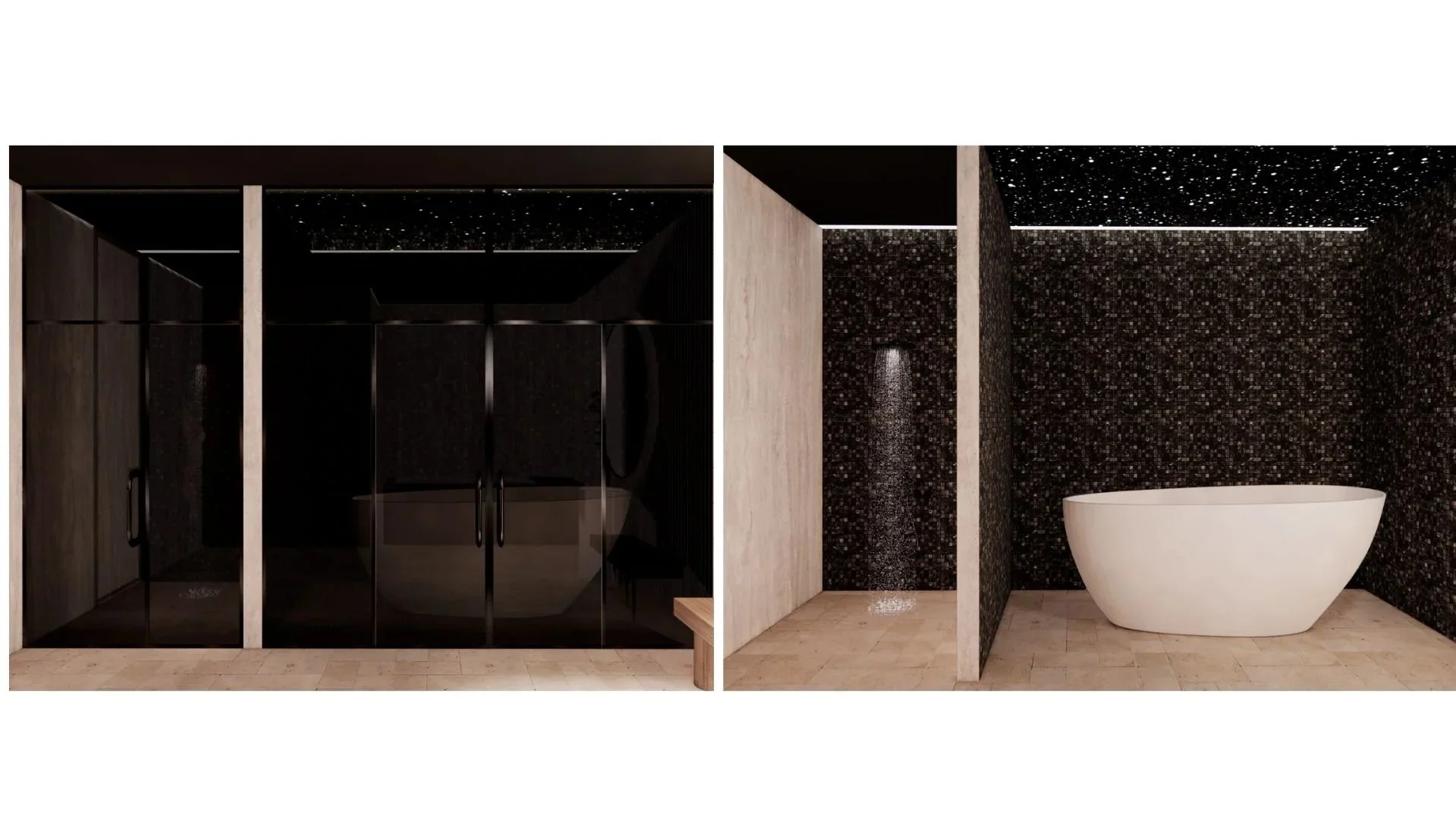
Spas are tactile environments. Light interacts differently with wet surfaces and vapor. We use "wall grazing"—placing LEDs very close to the surface—to highlight the natural textures of stone tiles. In steam rooms and pool areas, we utilize fiber optics or IP65-rated submersible LEDs to create a sense of depth and shimmer, turning the water itself into a light source.
The Consultant’s Checklist: CRI and Dimming Curves
For the professional designer, two technical metrics elevate a project from "good" to "world-class":
Color Rendering Index (CRI): In spas, a CRI of 90+ is non-negotiable. Lower quality LEDs make skin tones look grey or sallow. High CRI ensures that the guest looks healthy and vibrant in the mirror—a subtle but powerful psychological win for the operator.
Logarithmic Dimming: Human eyes don't perceive light changes linearly. We specify control systems with logarithmic dimming curves to ensure that when a spa's lights are dimmed, the transition is smooth and imperceptible, rather than "stepped" or flickering.
Circadian Logic: The Future of Wellness Amenities
For high-end residential and hotel projects, we now advise on Tunable White Technology. Using a control system like DALI or Casambi, the wellness center's lighting can be programmed to follow the natural rhythm of the day.
6:00 AM: The gym floor glows with 5000K "Sunrise" blue-light to energize early risers.
12:00 PM: Neutral 4000K lighting maintains productivity.
8:00 PM: The system automatically shifts the gym to a softer 3000K, while the spa settles into a deep 2200K "Sunset" amber, preparing guests for sleep.
This isn't just a luxury feature; it is an investment in the biological ROI of the space, ensuring the facility supports the long-term health of its users.
Conclusion: Lighting as a Revenue Driver
Ultimately, lighting design is an investment in Member Retention. A gym that feels "electric" and safe will see higher usage; a spa that feels like a "cocoon" will command higher treatment premiums.
Whether acting as a Lead Wellness Consultant or a Specialist Sub-consultant, Biofit bridges the gap between architectural intent and operational logic. We ensure that your facility's lighting doesn't just look beautiful—it performs.
Key Takeaways for Developers:
Gyms: 4000K+, 300-500 Lux, UGR <19. Focus on safety and motivation.
Spas: 2700K or lower, 50-150 Lux, Indirect sources. Focus on relaxation.
The Edge: Use Tunable White technology to future-proof the asset.