Wellness & Sustainability
We believe that wellness and sustainability are closely connected.
Spaces that support human health should also be designed with consideration for environmental impact, operational efficiency and long-term durability.
Whether we are designing a gym, wellness club, spa, hotel wellness facility or residential amenity, we look for opportunities to improve both the user experience and the environmental performance of the project.
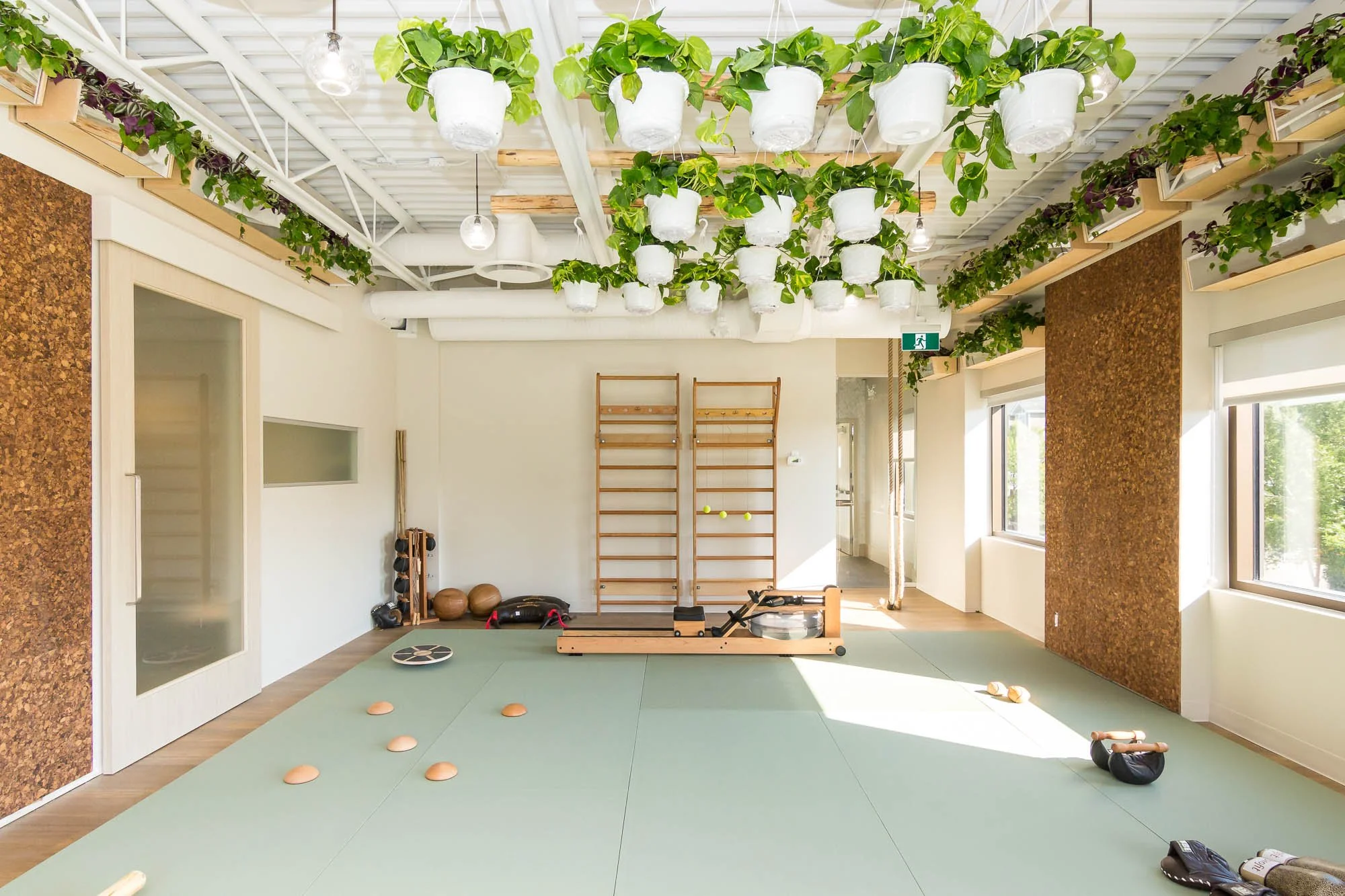
Natural Way movement studio, Calgary, Canada
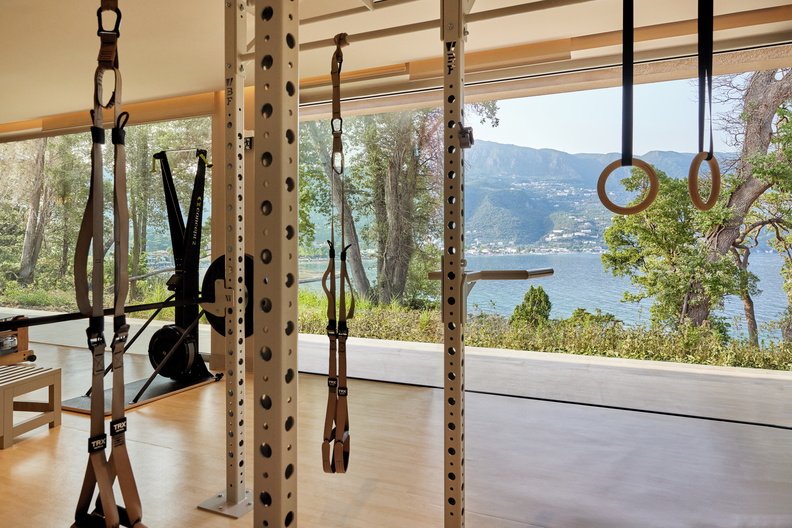
Ikos Resort gym, Corfu, Greece
Sustainability should not be treated as an optional layer added at the end of a project.
The most successful wellness environments integrate healthy materials, energy-conscious design strategies, durable specifications and responsible operational practices from the earliest stages of planning.
Our role is not to provide environmental certification services. Instead, we help clients identify practical opportunities to create healthier, more sustainable wellness environments that remain commercially viable and operationally effective.
healthy materials
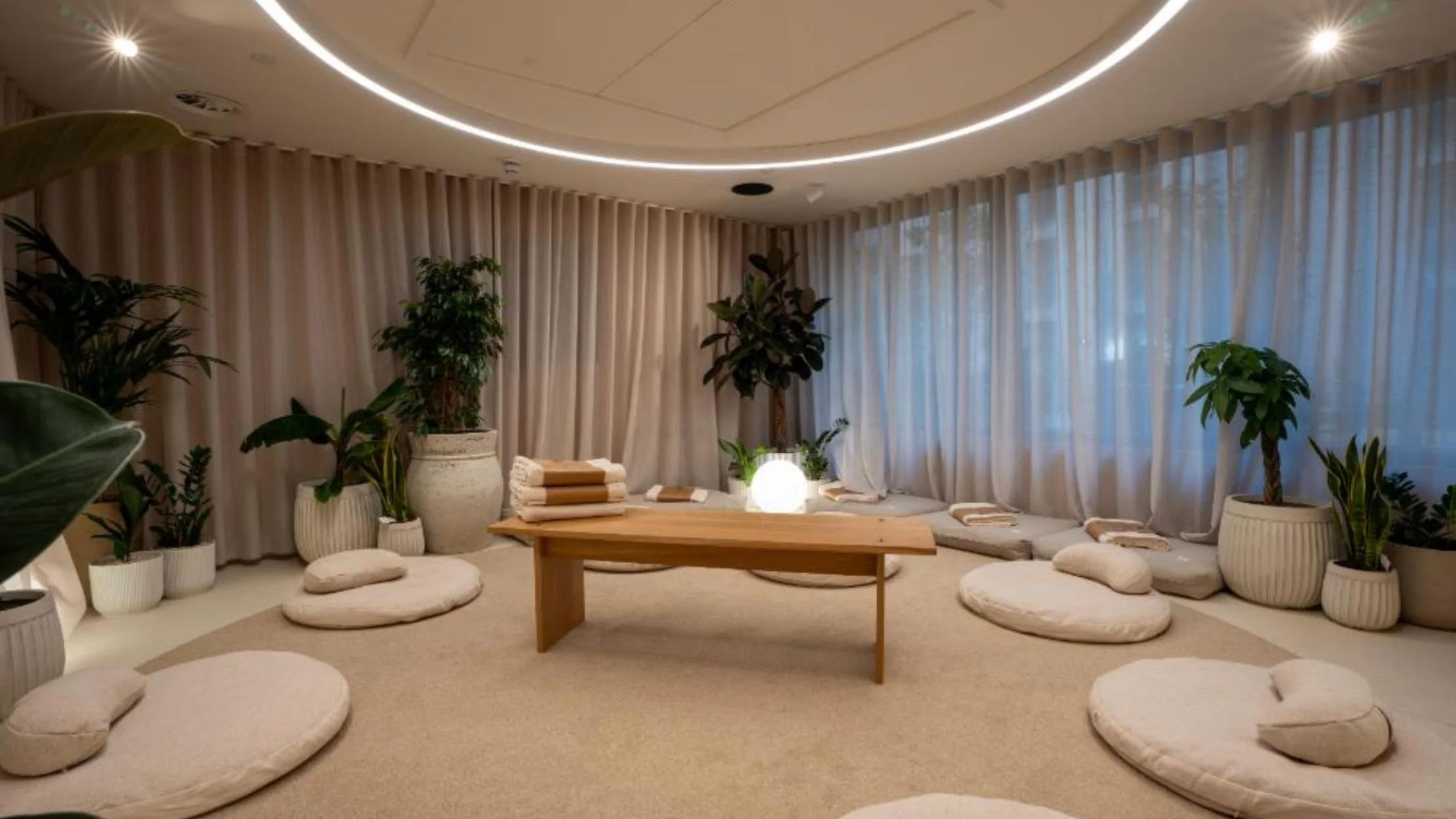
zen room for Fusion Students, UK
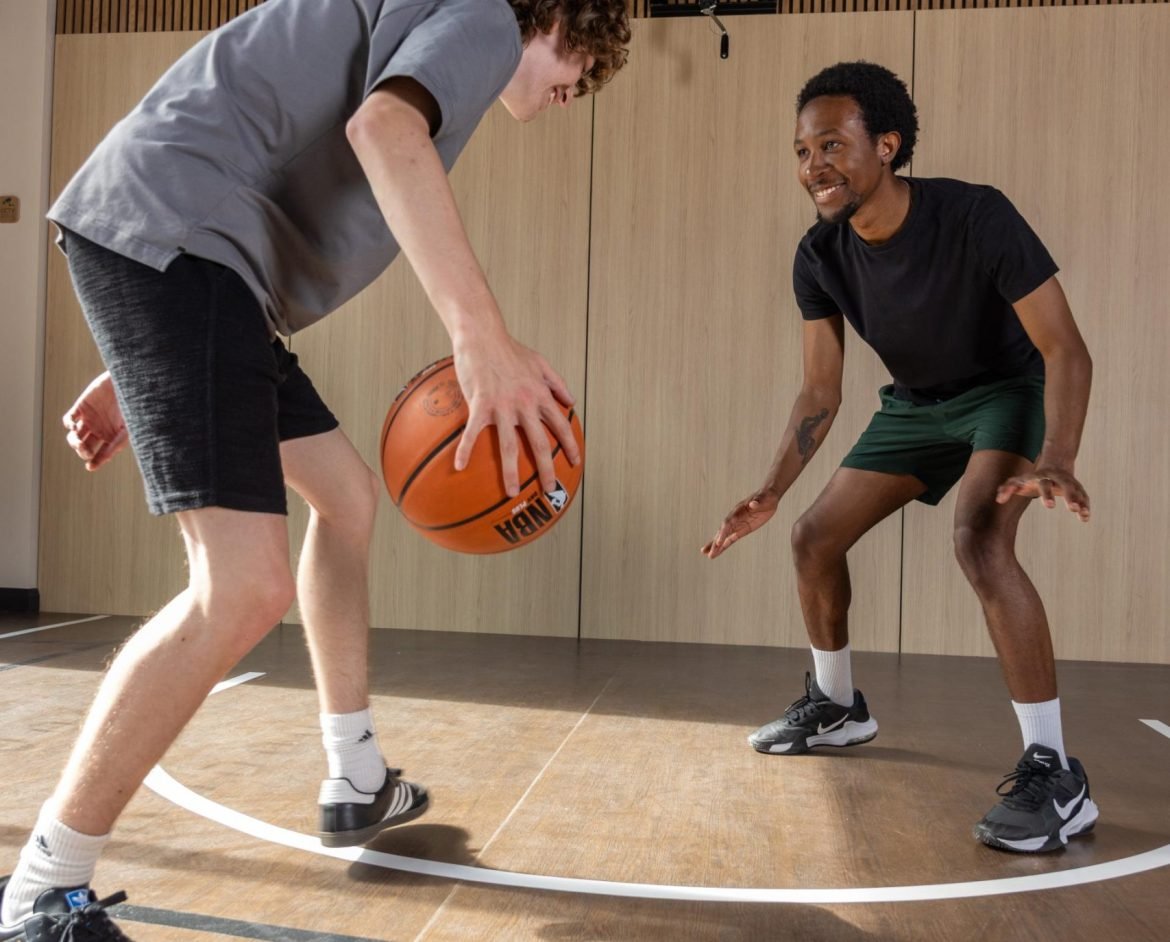
indoor basketball court for Fusion Students UK
Healthy spaces start with healthy materials
Wellness facilities are places where people exercise, recover, relax and spend meaningful amounts of time indoors.
Material choices therefore have a direct impact on the user experience.
We encourage consideration of:
Low-VOC paints and coatings
Healthy adhesives and sealants
Durable flooring systems
Natural materials where appropriate
FSC-certified timber
Materials with environmental product declarations (EPDs)
Long-life finishes that reduce replacement cycles
The goal is to create environments that support indoor air quality, durability and long-term wellbeing.
durability
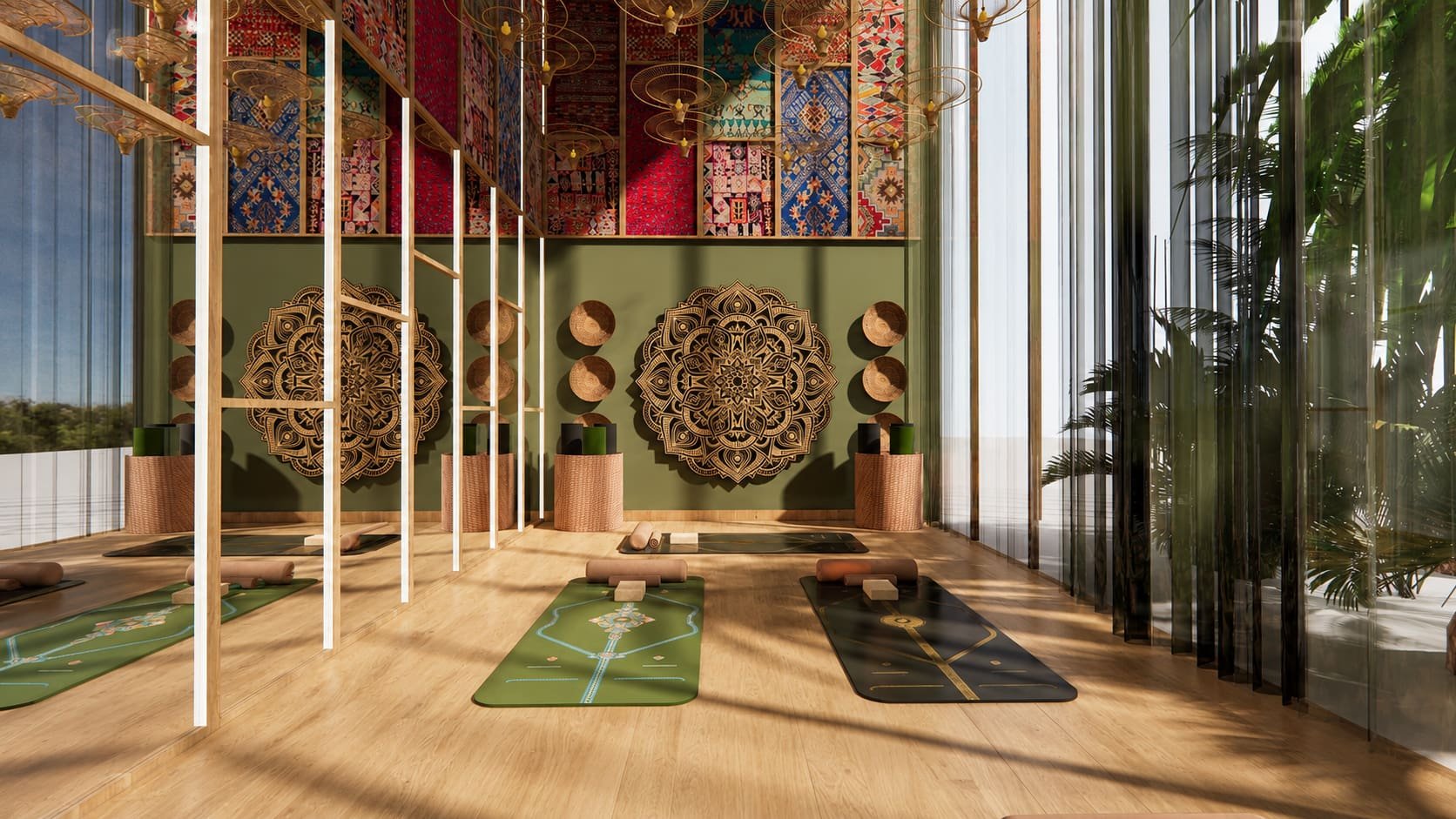
sustainable design yoga studio for Fusion Students UK

sustainable design yoga studio for Fusion Students UK
Sustainability through durability
One of the most overlooked aspects of sustainability is durability.
A material, product or piece of equipment that requires frequent replacement is rarely the most sustainable option.
For this reason we consider:
Product lifespan
Maintenance requirements
Repairability
Operational resilience
Lifecycle cost
This principle applies equally to flooring, lighting, equipment, furniture and wellness facilities.
energy, water, waste
Energy, water & operational efficiency
Environmental performance is influenced by thousands of small decisions throughout the design process.
Areas that may be considered include:
Energy-efficient lighting
Daylight utilisation
Water-efficient plumbing fixtures
Efficient HVAC strategies
Responsible cleaning practices
Waste reduction measures
Renewable energy opportunities
The objective is to reduce resource consumption without compromising user experience or operational performance.
nature
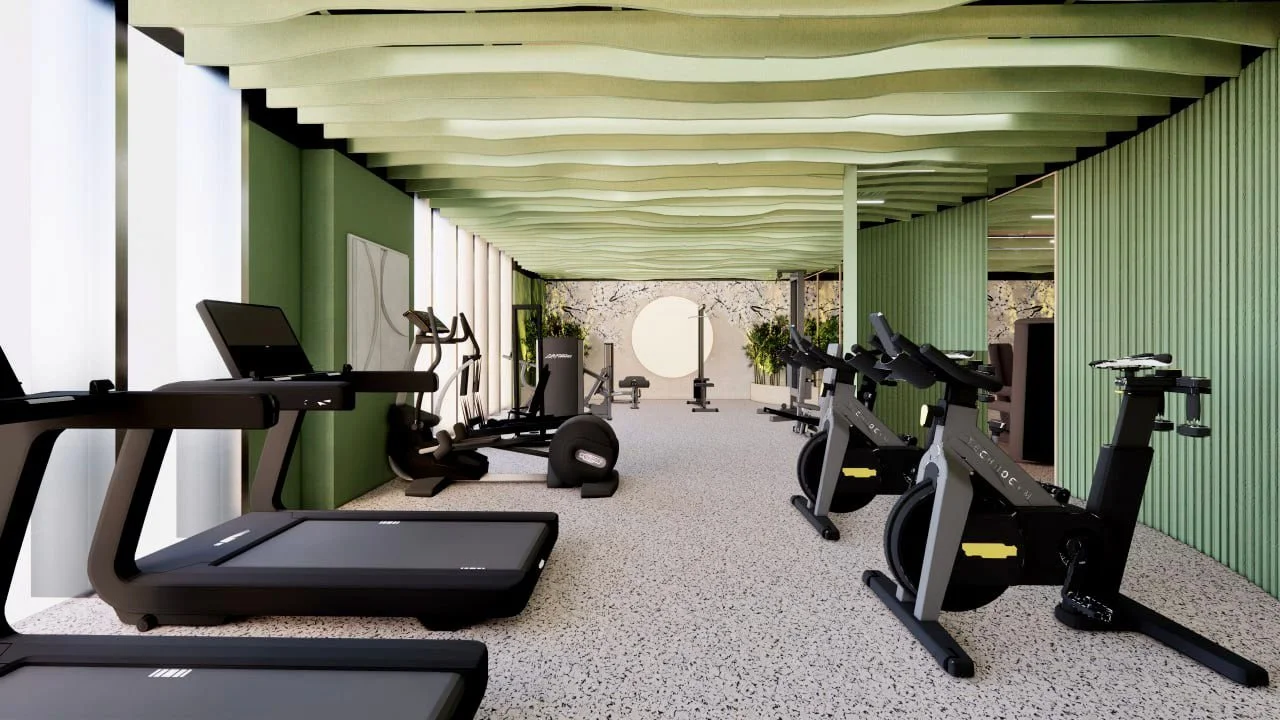
gym design for Fusion Students, UK
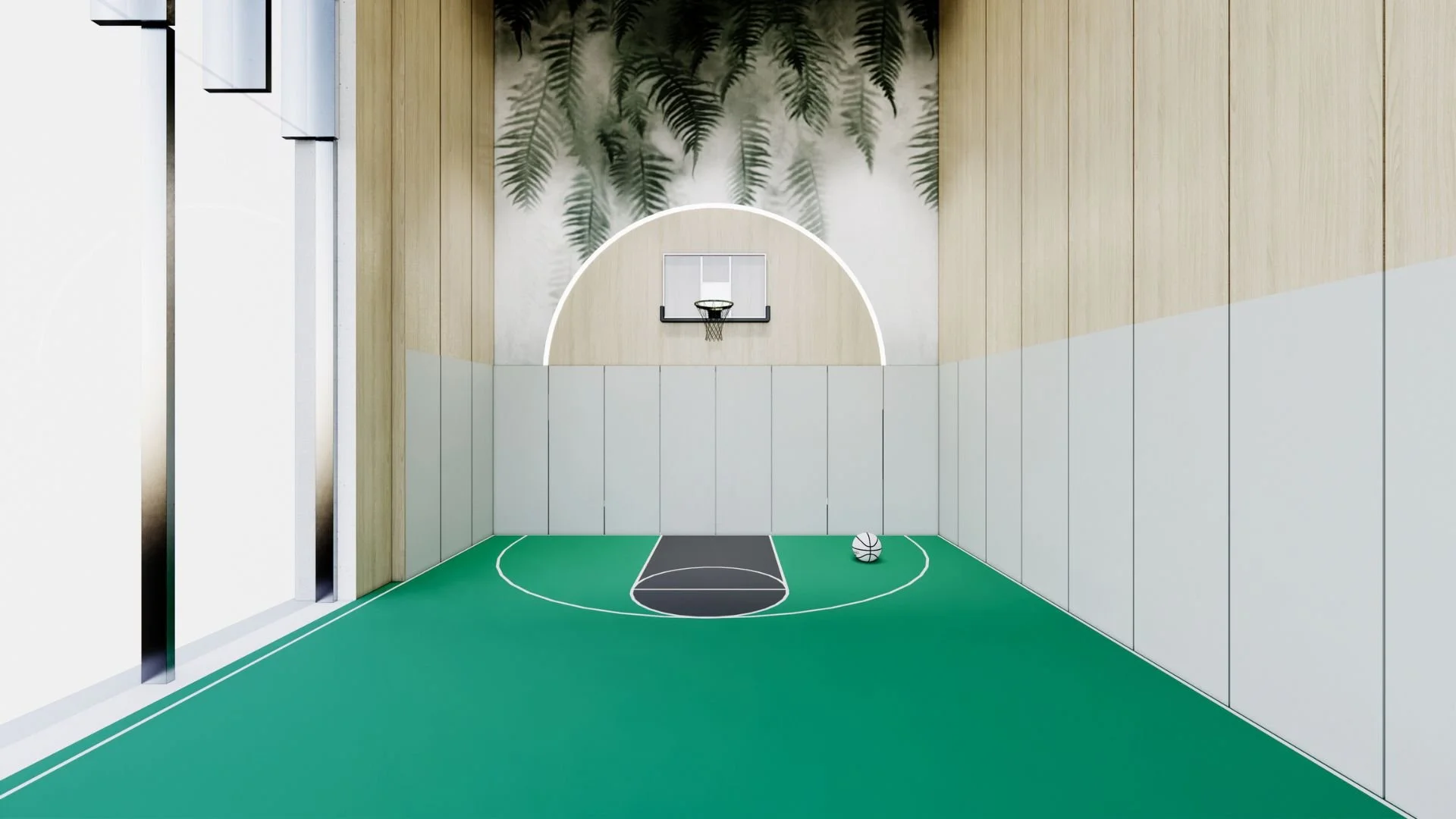
indoor basketball court design for Fusion Students UK
Biophilic design & nature connection
Nature remains one of the most powerful tools available to designers seeking to improve wellbeing.
Biophilic design seeks to strengthen the connection between people and the natural world through the thoughtful use of:
Natural materials
Daylight
Plants
Natural colours
Views to nature
Outdoor wellness experiences
We have long advocated for the integration of biophilic design principles within gyms, spas, wellness clubs and hospitality environments as a way to support physical and mental wellbeing.
fully integrated
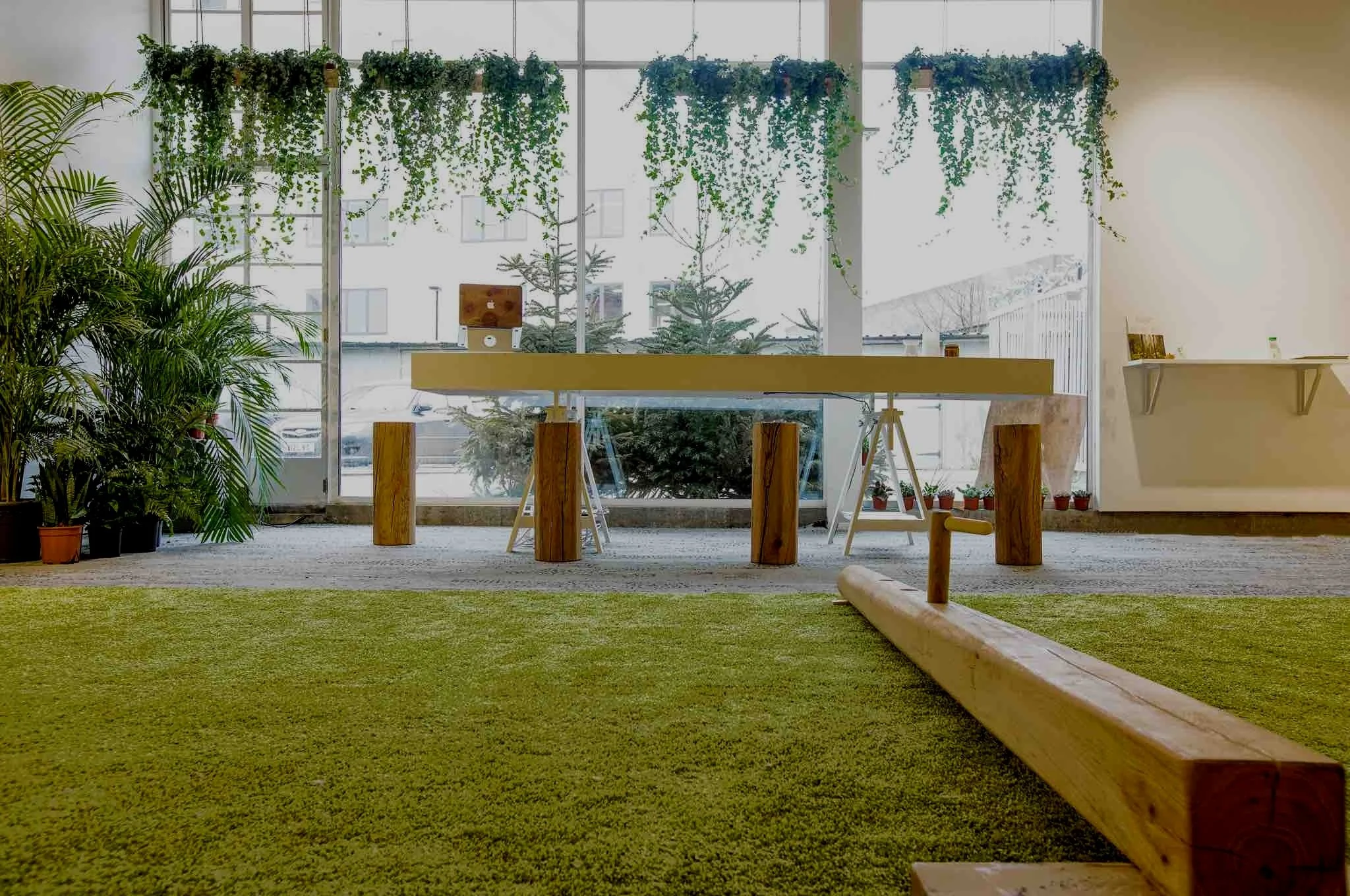
Biofit London pop-up gym

Biofit London pop-up gym
Sustainability in every project
Rather than treating sustainability as a standalone service, we seek to integrate these principles throughout our work.
This may include:
Gym Design
Spa, Recovery & Wellness Design
Wellness Clubs
Outdoor Fitness Environments
Sports Amenities
Hospitality Wellness Facilities
Residential Wellness Amenities
The result is a more holistic approach that considers the health of both people and planet.
Frequently Asked Questions
-
No. We are not a certification administrator. We focus on practical design strategies that support wellness, sustainability and operational performance.
-
Yes. Material selection forms an important part of many of our wellness, hospitality and fitness projects.
-
Biophilic design is an approach that seeks to strengthen the connection between people and nature through architecture, interiors and landscape design.
-
Not necessarily. Many sustainability measures focus on durability, operational efficiency and lifecycle performance, which can reduce costs over time.
-
Yes. Material choices, indoor air quality, water efficiency, energy use and operational practices can all influence both environmental performance and the user experience.
Creating Healthier, More Sustainable Wellness Environments
Whether you are developing a wellness club, hotel spa, residential fitness facility or outdoor wellness destination, Biofit can help identify practical strategies that support both wellbeing and sustainability.
Contact us to discuss your project.