Why Expanding Hotel Brands Need Fitness & Recovery Amenity Standards
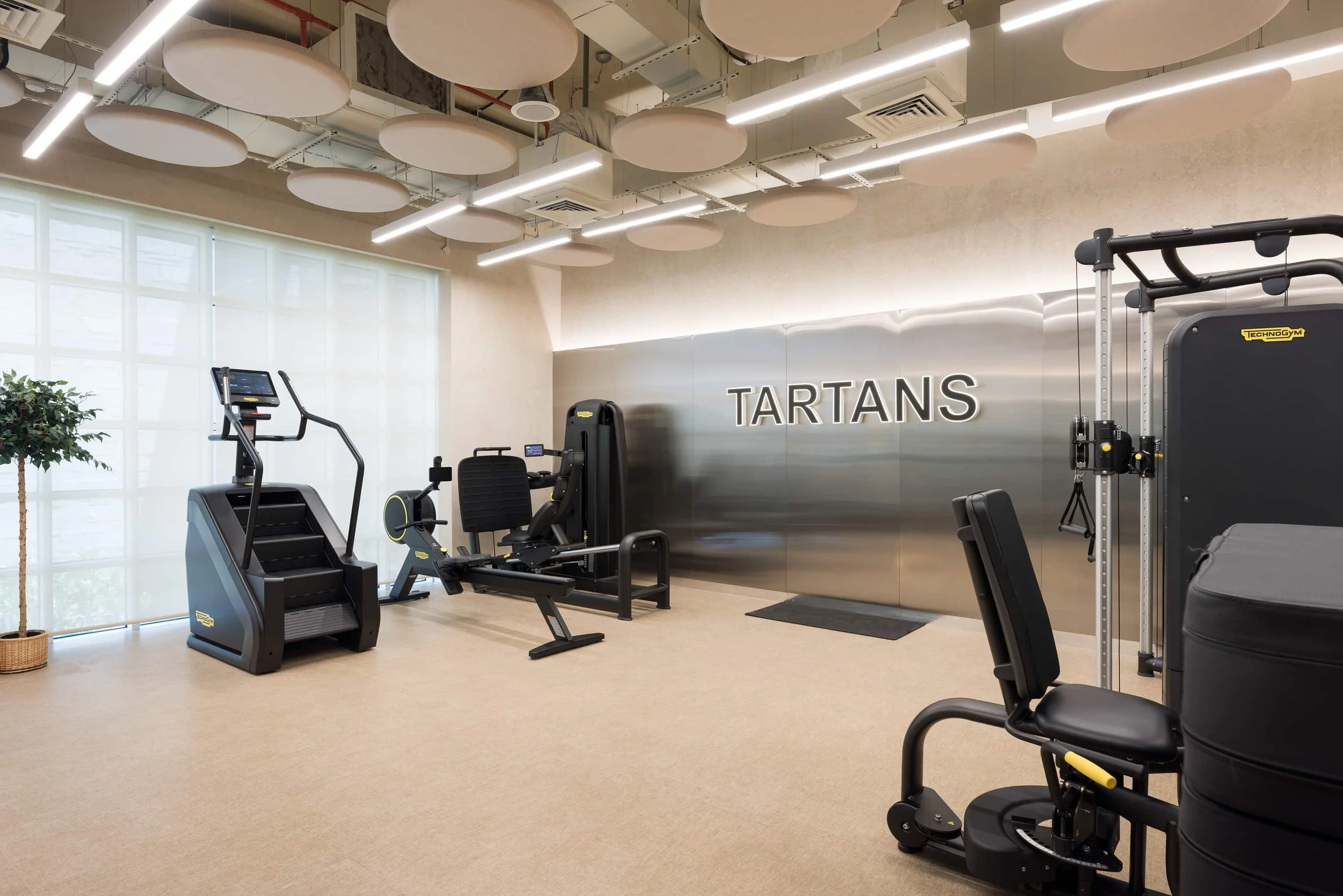
For boutique hotels, resort groups and lifestyle hospitality brands, fitness and recovery amenities are often developed one project at a time.
A first property may have a small gym. A second may add a recovery space. A third may bring in a more substantial fitness offer, outdoor training area or branded movement concept. Each decision may make sense in isolation, but without a shared framework, the result can quickly become inconsistent.
The risk is that every new project starts from zero.
Architects interpret the brief differently. Equipment suppliers push different packages. Interior designers make independent material choices. Operators inherit spaces that are difficult to maintain. The guest experience varies from property to property.
For an expanding hotel brand, this is where fitness and recovery amenity standards become useful.
Not as a rigid corporate manual. Not as a one-size-fits-all design template. But as a practical reference point that helps each property deliver a consistent, credible and brand-specific fitness experience.
From One-Off Gym Design To A Repeatable Amenity Model
A hotel gym should not be redesigned from scratch every time a brand opens, renovates or repositions a property.
That does not mean every gym should be identical. The best hospitality fitness spaces are still site-specific. A coastal resort, mountain lodge, urban boutique hotel and branded residence may all require different responses.
However, a good standards framework helps define what should remain consistent.
That might include:
the role of fitness and recovery within the guest experience
the target user groups
the minimum equipment categories
the preferred zoning logic
the interior and material direction
the procurement approach
the technical coordination requirements
the activation content
the operational principles
the optional upgrades by property type
This gives future project teams a clearer starting point. It also helps the brand avoid the common problem of supplier-led gym design, where the final result is shaped more by product availability than by brand strategy, guest profile or operational need.
Why Compact Hotel Gyms Still Need Standards
Many hotel brands assume that only large gyms or spa facilities need proper standards. In reality, compact fitness spaces often need them more.
A 50–75m² hotel gym has very little room for error. Every equipment item, storage decision, mirror location, flooring choice and power point matters.
If the space is overfilled, it becomes uncomfortable.
If it is under-equipped, it becomes tokenistic.
If it lacks clear zoning, guests struggle to use it intuitively.
If it lacks storage, it quickly becomes cluttered.
If the wrong flooring or wall finishes are specified, maintenance becomes harder than it needs to be.
A compact gym can still feel highly credible when it has a clear logic.
A strong compact model will usually define:
a cardio zone
a strength zone
a functional training zone
a mobility or recovery area
towel and hydration provision
storage
power and data points
circulation clearances
a simple operational model
The issue is not simply how much space is available. The issue is whether that space has been planned intelligently.
Fitness Amenities Should Reflect The Brand
A hotel gym should not feel as though it could belong to any property.
For lifestyle and resort brands in particular, the fitness space should reflect the guest profile, the location and the wider hospitality concept.
For a watersports hotel, this might mean a mobility, balance and prehabilitation zone that supports guests before and after time on the water.
For a mountain resort, it might mean recovery, strength and trail-preparation spaces.
For a city hotel, it might mean a compact but high-performance strength and conditioning offer.
For a wellness-led residential development, it might mean a resident-focused mix of daily fitness, recovery and social wellbeing.
The principle is the same: fitness and recovery should be part of the brand experience, not a generic amenity inserted into the plan.
A useful standards document should therefore define not only the equipment list, but also the story behind the amenity.
What is the space for?
Who is it serving?
What should it help guests do?
How should it feel?
What makes it specific to this brand?
Without that layer of thinking, hotel gyms tend to default to the same familiar formula: a few cardio machines, a dumbbell rack, mirrors, television screens and little else.
A Signature Feature Can Help Create Brand Identity
One of the most effective ways to avoid a generic hotel gym is to create a repeatable signature feature.
This does not need to be expensive or complicated. In fact, the best signature features are often compact, operationally simple and strongly connected to the brand.
Examples might include:
a mobility and balance corner for a watersports resort
a recovery wall for a mountain lodge
a strength and movement bay for an urban lifestyle hotel
an outdoor stretching deck for a coastal retreat
a resident training station for a branded residence
a small recovery protocol area linked to sauna, cold plunge or massage
The point is not novelty. The point is identity.
A signature feature gives the fitness space a more memorable purpose. It also helps future projects understand what should be protected as the brand expands.
Equipment Standards Should Balance Reliability And Character
Equipment procurement is one of the areas where hotel fitness projects can lose coherence.
A single-brand supplier route can be simple, reliable and easier to service. It often works well for cardio equipment, primary strength equipment and core commercial machines.
However, a fully supplier-led package can also make the gym feel generic.
A curated multi-brand route can bring more character, especially for functional training, mobility tools, recovery accessories and brand-specific details. The trade-off is that procurement, warranties and delivery coordination become more complex.
For many boutique and lifestyle hotel brands, the best solution is a hybrid approach:
use established commercial suppliers for large-ticket core equipment
use curated procurement for accessories, mobility tools and signature features
This gives the project the operational reliability of proven equipment, while still allowing the gym to feel specific to the brand.
Interior Standards Matter As Much As Equipment
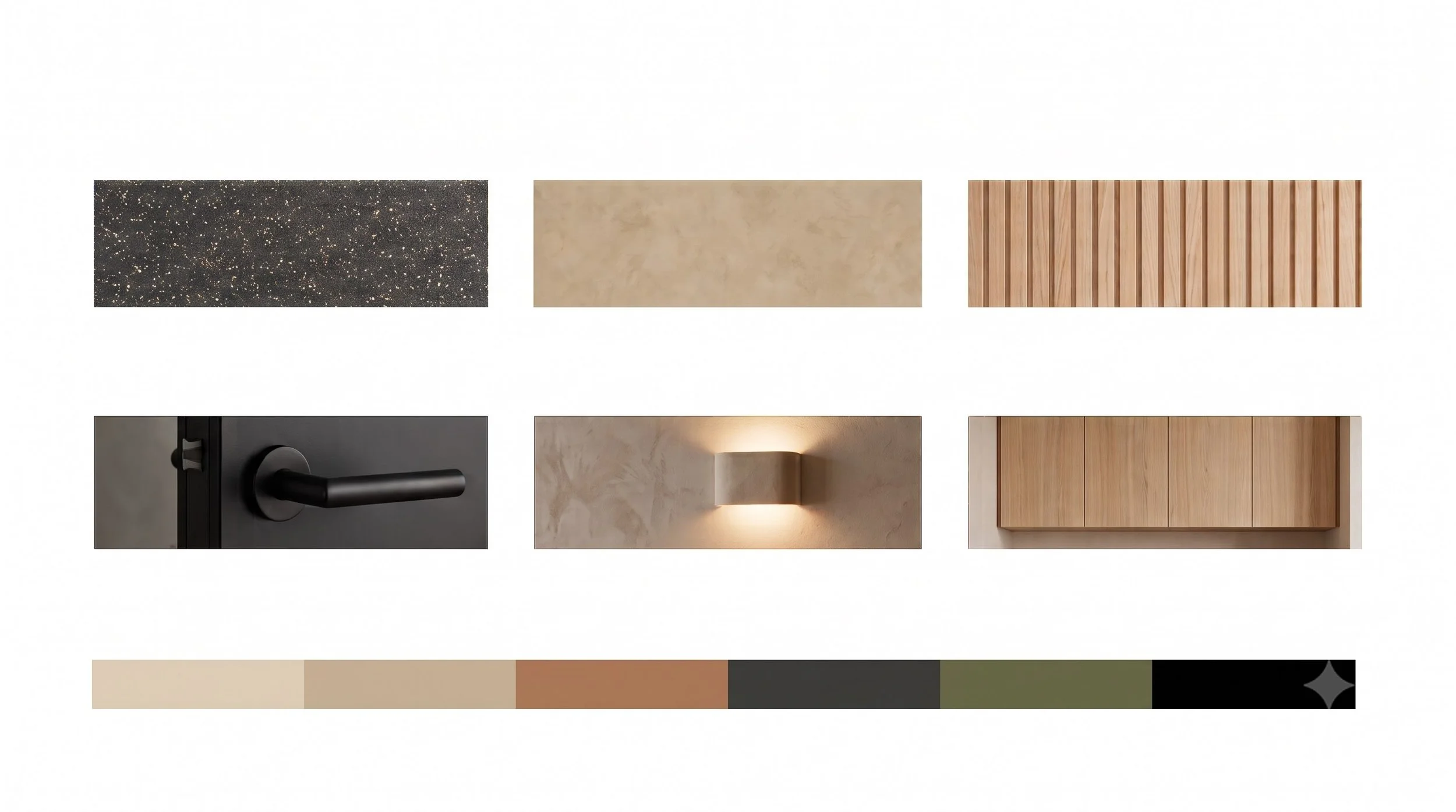
Hotel fitness spaces are often judged by equipment, but the interior standards can be equally important.
A gym that is technically well-equipped can still feel poor if the flooring is under-specified, the lighting is harsh, the mirrors are excessive, the cables are visible or the storage is unmanaged.
At a minimum, fitness and recovery standards should cover:
gym-specific flooring
wall finishes
mirror strategy
lighting
storage
joinery
corrosion-resistant fixtures where relevant
low-maintenance materials
easy-clean details
power, data and AV integration
For coastal, remote or high-use hospitality environments, durability becomes especially important.
Sand, salt, humidity, cleaning cycles and guest use all affect the long-term performance of the space. Finishes should be selected not only for appearance, but for maintenance, replacement cycles and operational resilience.
In this context, sustainability is not only about material declarations. It is also about long service life.
Durability is sustainability in a coastal hospitality environment.
Recovery Should Be Tiered, Not Automatically Over-Specified
Recovery is now a major part of premium hospitality fitness. Sauna, cold plunge, contrast therapy, compression boots, red light and recovery lounges are all increasingly visible in hotel and resort projects.
But not every property needs every feature.
A fitness and recovery standard should distinguish between baseline, enhanced and destination-level provision.
Baseline recovery might include:
mobility space
foam rollers
stretching mats
upgraded hydration
simple recovery guidance
guest-facing protocol content
Enhanced recovery might include:
sauna
cold plunge or ice bath
treatment room
guided mobility sessions
outdoor cooldown area
Destination-level recovery might include:
contrast therapy
hammam
recovery lounge
compression therapy
specialist programming
more developed performance or longevity partnerships
The right level depends on the property, guest profile, operating model, technical feasibility and commercial rationale.
A recovery feature should not be added simply because it is fashionable. It should have a clear role in the guest experience.
Technical Coordination Should Start Early
Some of the most expensive problems in hotel gym projects appear late because technical coordination was not addressed early enough.
Typical issues include:
insufficient ceiling height for suspension training
no structural provision for TRX, rings or wall-mounted equipment
power points in the wrong location
visible cable routes
weak Wi-Fi or missing data points
poor ventilation
inadequate AV coordination
lack of storage
no maintenance access
equipment layouts that conflict with services
A basic fitness amenity standard should therefore include early coordination notes for architects, MEP consultants, suppliers and contractors.
For example:
minimum clear height requirements
structural anchor requirements
power and data provision
cardio equipment service zones
screen and AV locations
BOH or tech cupboard requirements
storage and towel logistics
cleaning and maintenance access
These are not glamorous details, but they determine whether the finished gym actually works.
Activation Makes Compact Spaces More Useful
A compact hotel gym can become far more valuable when supported by simple activation.
This does not necessarily require full-time staff or complex programming. It can include:
curated playlists
silent screen-based training content
short guest workout plans
mobility sequences
warm-up and cooldown routines
recovery protocol cards
destination-specific training guidance
instructor or athlete-led video content
This is particularly useful in self-guided hotel gyms, where guests may be unsure how to use the space effectively.
Activation helps transform a small gym from a room with equipment into a more useful guest experience.
Standards Should Allow Adaptation, Not Repetition
The purpose of fitness and recovery amenity standards is not to make every property look the same.
A good framework should define:
what is mandatory
what is optional
what is site-specific
what should be localised
what can scale up for larger properties
what should remain consistent across the brand
This is especially important for expanding boutique hospitality brands. Their strength often lies in local character, not standardisation for its own sake.
The aim is to create a recognisable approach, not a rigid template.
A Practical Checklist For Future Properties
Before briefing architects, suppliers or contractors, hotel brands should clarify:
What role should fitness and recovery play in this property?
Is the offer compact, enhanced or destination-level?
Who are the primary users?
What is the available net gym area?
What equipment should remain standard?
What should be localised to the site?
Is recovery part of the offer?
What outdoor opportunities exist?
What ceiling height, power, data and ventilation constraints apply?
What procurement route is preferred?
What operational support is realistic?
What content or activation is required?
Answering these questions early prevents the gym from becoming an afterthought.
Conclusion
For expanding hotel brands, fitness and recovery amenity standards are not bureaucracy. They are a practical tool for protecting brand identity, improving design coordination and creating a more consistent guest experience.
They help prevent every new project from starting again from zero.
They also help owners, architects, suppliers and operators understand what the brand is trying to achieve.
The result should not be a generic hotel gym repeated across multiple properties. It should be a flexible, well-defined fitness and recovery model that can adapt to each site while still feeling recognisably part of the brand.
Biofit helps hotel owners, developers and operators create gym, spa, recovery and wellness amenity strategies for individual properties and multi-site hospitality brands.
Contact Biofit to discuss a fitness and recovery amenity strategy review or brand standards framework.