How to Design a Hotel Gym Equipment List
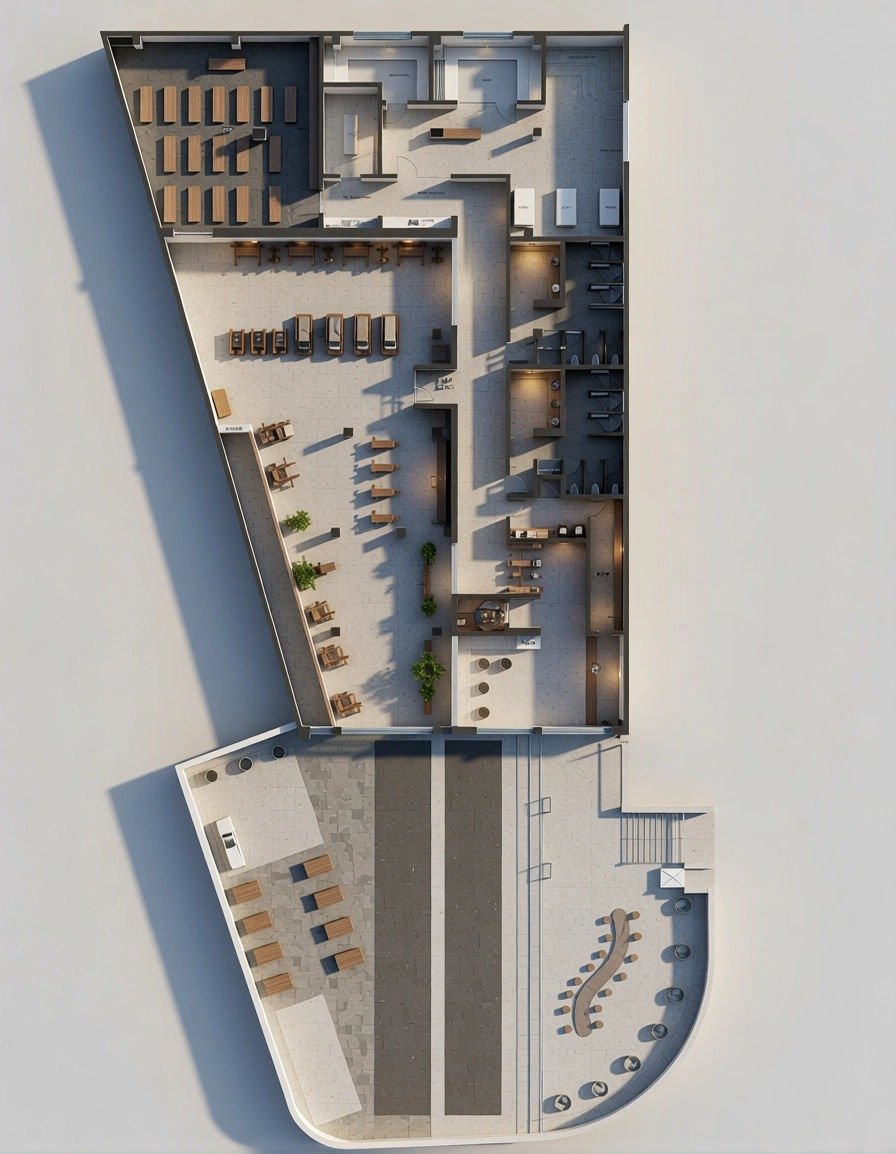
What to include for 75–125 m² resort gyms — and how to upgrade for larger wellness clubs
When owners ask for a “hotel gym equipment list,” what they often mean is: What is the minimum that feels premium, satisfies most guests, and doesn’t create maintenance headaches?
The mistake is treating all hotel gyms the same. A compact 75–125 m² resort gym should be curated and station-led. A larger wellness club-scale gym should be zoned, higher-capacity, and more specialised.
This guide provides:
A core equipment list for typical resort gym sizes (75–125 m²)
A planning approach based on stations, flow, and guest profiles
A clear upgrade path for projects where a larger wellness club is viable (e.g., lifestyle hotel brands in sport-led destinations)
Start with stations, not machines
In hospitality, guests train in parallel: someone warming up, someone lifting, someone doing mobility, someone finishing a short circuit. Plan your equipment around stations:
Cardio stations (warm-up + continuity on quieter activity days)
Strength stations (credible anchor + free weights)
Mobility slots (floor space + tools)
Functional stations (bodyweight/circuit capacity)
This approach is especially important in lifestyle destinations (surf, kite, outdoors), where short sessions and mobility/recovery are central to the guest experience.
Core hotel gym equipment list for 75–125 m² resort gyms
1) Strength + functional training (the anchor zone)
Must-have
1 × primary strength station: compact half rack / squat stand or compact cable station (choice depends on brand + guest profile)
1–2 × adjustable benches
Curated dumbbell set + rack (focus on usability, not endless pairs)
Curated kettlebell set + rack
Pulling capacity (pull-up option, cable row, or band/handle setup)
One hinge/carry tool (trap bar, sandbags, or heavier kettlebells)
Nice-to-have
Dual Adjustable Pulley (DAP) if the gym must strongly support beginners and occasional users
TRX/suspension trainer anchor point or small bodyweight rig
Medicine balls and a small functional accessories set (kept disciplined via storage)
Avoid
Overloading the room with selectorised machines in smaller footprints; you lose floor space, circulation, and flexibility.
2) Cardio (quality over quantity)
Must-have
2–3 cardio pieces (balanced mix): typically treadmill + bike + rower (or equivalent based on maintenance realities)
Nice-to-have
SkiErg (space efficient and sport-aligned in surf/kite destinations)
Air bike (high utility, compact footprint)
Incline trainer (premium feel, often good guest appeal)
Avoid
Too many similar machines (e.g., multiple treadmills in a small room) that create a “gym showroom” and reduce circulation.
3) Mobility / recovery toolkit (non-negotiable)
Must-have
2–4 mats (scale with room size)
Foam rollers (varied density)
Mobility balls (lacrosse + soft ball)
Resistance bands (long + mini-bands)
Stretch straps
A genuine mobility zone that is not simply a corridor
Nice-to-have
A small “prehab” toolkit if the destination is sport-led (surf, kite, ski, cycling)
Guided routines (QR code or simple wall panel): “10-minute warm-up”, “30-minute full body”, “mobility reset”
4) Storage + housekeeping (the premium multiplier)
Must-have
Closed storage cabinet for accessories and mats
Disciplined open storage for daily-use items
Cleaning point (wipes + bin) integrated into the layout
Basic etiquette prompts (re-rack, wipe down)
A tidy gym reads as premium, stays usable, and reduces the burden on hotel operations teams.
Equipment counts by size: a quick planning guide
If your resort gym is ~75–90 m²
Plan for:
Cardio stations: 2–3
Strength stations: 3–4 (e.g., anchor station + dumbbell bay + hinge/carry lane)
Mobility slots: 2–3
If your resort gym is ~100–125 m²
Plan for:
Cardio stations: 3–4
Strength stations: 4–5
Mobility slots: 3–4
The extra area should typically improve circulation + storage + mobility, not create a longer machine line.
The upgrade path: from “hotel gym” to “wellness club”
This is where lifestyle brands (and sport-culture destinations like surf towns) can differentiate. When space and ambition increase, the gym becomes a destination, not a check-box amenity.
What changes at club scale
Throughput matters (more stations, less waiting)
Zoning becomes explicit (strength / machines / functional / studio / recovery)
The offer becomes more specialised (not just “do you have a treadmill?”)
How to upgrade the equipment mix (in practical terms)
1) Cardio becomes a “suite,” not a corner
Instead of 2–4 cardio pieces, you scale to a broader mix and reduce bottlenecks.
Add a third and fourth cardio station
Include one high-utility conditioning tool (e.g., SkiErg or air bike)
Consider a premium option (e.g., curved manual treadmill) if brand positioning supports it
2) Strength expands from one anchor to two
A club-scale gym typically benefits from two distinct anchor stations.
Pair rack + DAP (or cable-focused + smith/rack, depending on concept)
Expand the dumbbell range selectively (quality and storage matter more than maximum quantity)
Add one or two “hero” machines only if space supports it and they genuinely serve guest needs
3) Functional training becomes “class-ready”
If you intend to host small-group sessions, scale functional quantities thoughtfully.
Increase medicine balls, kettlebells, and resistance tools
Keep accessories disciplined with integrated storage
Consider an optional impact wall if functional training is part of the brand story
4) Add a studio or flexible movement space
In many hotels, a studio is a stronger differentiator than extra machines.
A flexible studio supports yoga, mobility, conditioning circuits, and guided programming
It also improves usability for beginners and mixed groups
5) Consider premium recovery and assessment (optional)
At club scale, recovery can become a product.
Upgrade the mobility/prehab corner and offer guided routines
Consider recovery add-ons only if operations can support them
Design a future-ready corner (power/data, storage, privacy) for potential assessment services
Common mistakes to avoid in hotel gym equipment planning
Planning around a machine “wishlist” instead of stations and guest flow
Under-provisioning storage, then wondering why the gym looks messy
No real mobility zone (guests stretch in circulation routes)
Choosing high-maintenance kit in locations with limited service support
Over-equipping small spaces (it makes the gym feel cramped and less premium)
How Biofit helps
Biofit develops hotel and resort fitness concepts and equipment schedules aligned to:
brand identity and guest profiles
space reality and operational constraints
durability and maintenance tolerance
a premium, design-coherent guest experience
If you are planning a 75–125 m² resort gym or considering a club-scale upgrade, we can support concept development, equipment schedules, and site-specific layouts once GA plans are available.
QUICK FAQ
How many treadmills does a hotel gym need?
In most 75–125 m² resort gyms, one treadmill is usually sufficient when paired with a bike and rower. Add a second treadmill only if guest behaviour and peak periods justify it.
What is the minimum equipment for a small hotel gym?
A credible minimum is: one anchor station (rack or cable), a curated dumbbell set, an adjustable bench, 2 cardio pieces, and a real mobility toolkit with space to use it.
How do you spec a hotel gym for surf or sport-led destinations?
Prioritise mobility and prehab tools, include functional strength capacity, and avoid over-investing in machines at the expense of floor space and circulation.
What upgrades a hotel gym into a wellness club?
More stations, clearer zoning, a stronger functional offer, and (often) a studio or recovery component that turns the gym into a differentiator rather than an amenity.