Unmanned 24/7 Student Gyms
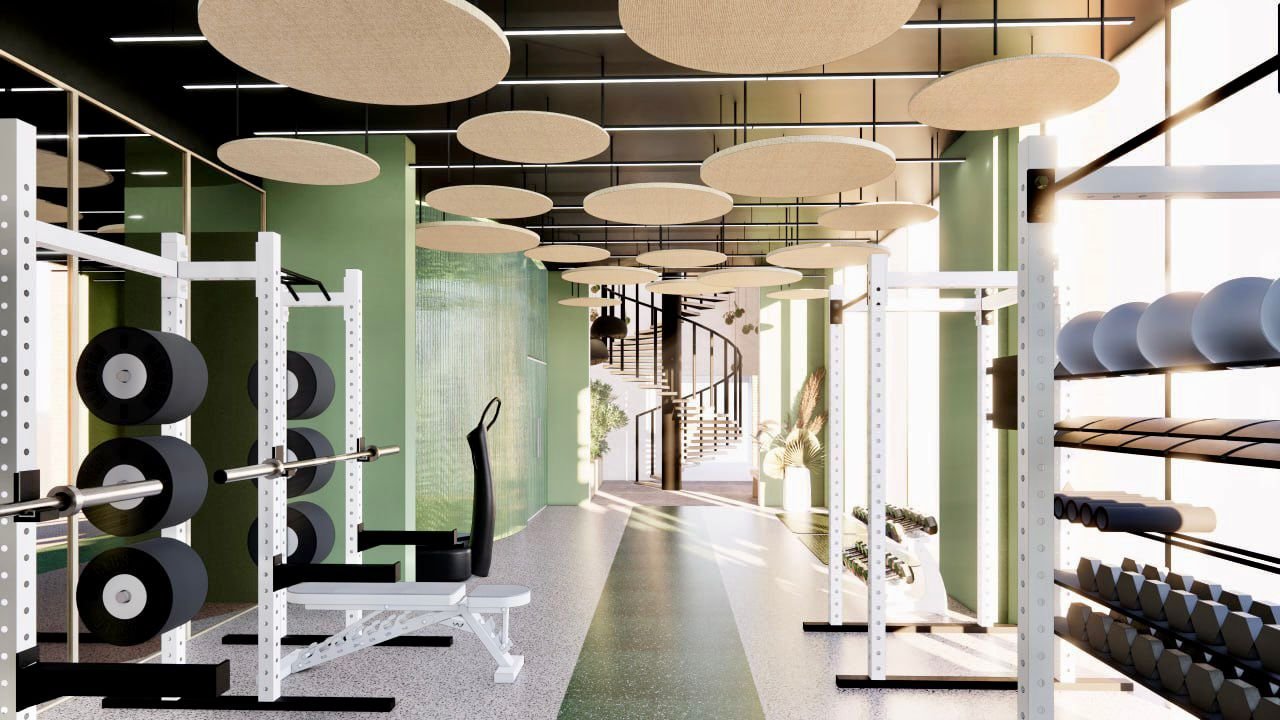
Biofit concept design visual - Fusion Students Birmingham, UK
Designing for safety, durability, and low operational burden in PBSA
Purpose-built student accommodation (PBSA) gyms are increasingly expected to operate 24/7 and to be unmanned—meaning students access and use the space autonomously, with minimal onsite supervision. That single requirement changes everything: space planning, equipment mix, finishes, signage, and operational rules must be designed in from day one, not added later.
This article outlines the design principles that make an unmanned student gym safe, durable, and low-touch to run—without stripping out the experience and marketability that PBSA brands need.
Related services: Pre-Design Planning • Equipment & Technical Specification • Interior Design • Pre-Opening Support
Our related services: Pre-Design Planning • Equipment & Technical Specification • Interior Design • Pre-Opening Support
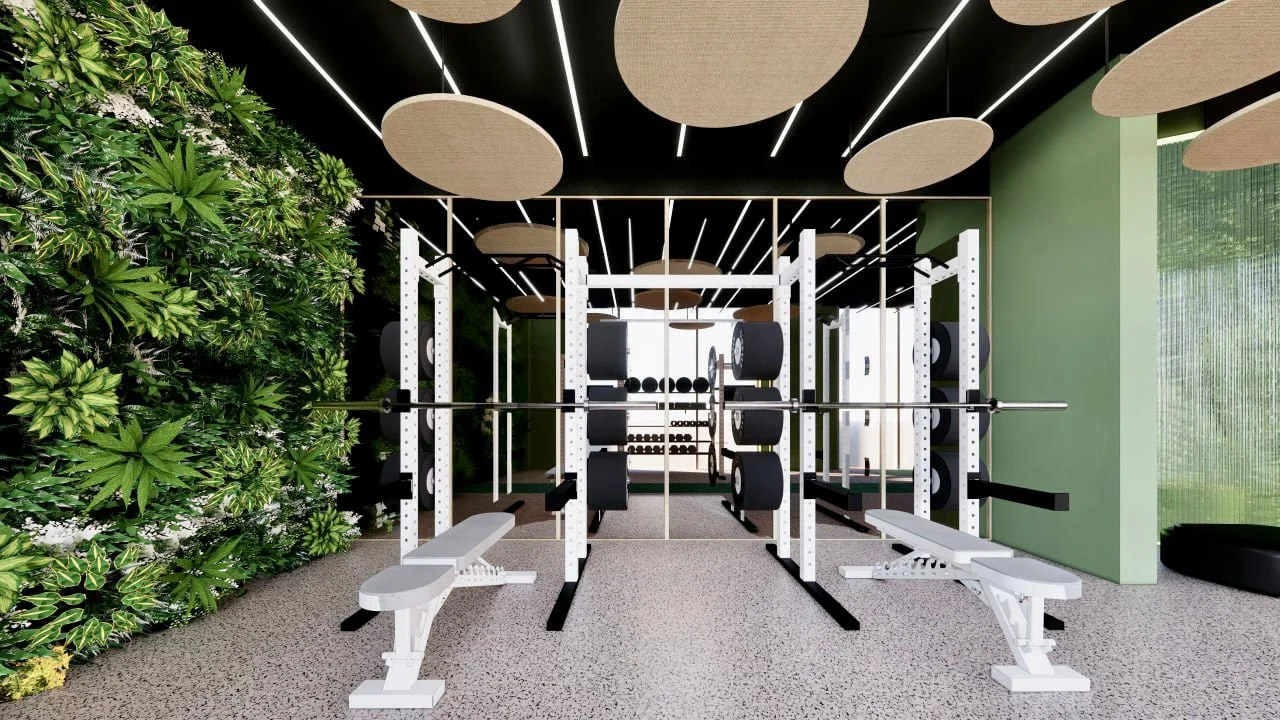
Biofit concept design visual - Fusion Students Birmingham, UK
Why “unmanned” changes the design brief
A staffed club can rely on people to correct behaviour, reset equipment, answer questions, and spot issues early. An unmanned PBSA gym cannot.
Unmanned operation therefore requires:
More intuitive planning (so the space explains itself)
More durable materials (because misuse and wear will be higher)
More robust storage and reset logic (to reduce clutter and trip hazards)
Better visibility and sightlines (for safety and security)
Clear rules and signage that are designed as part of the interior, not stuck on later
Core design principles for unmanned PBSA gyms
1) Make the layout self-explanatory
If the user cannot ask a staff member “where do I start?”, the zoning must be obvious.
Practical moves:
Use clear “bands” or zones: cardio / strength / functional / mobility
Avoid awkward “dead corners” where behaviour becomes unpredictable
Provide a clear warm-up zone at the entry (it improves flow and reduces congestion)
Keep circulation wide enough that users don’t cut through training zones
2) Prioritise sightlines (for safety and behaviour)
Unmanned gyms should not have hidden pockets where incidents go unnoticed.
Design cues:
Avoid tall joinery or partitions that block visibility into zones
Put higher-risk activity (heavy lifting, functional training) where it’s visible from the main entry line
Use glazing intelligently (privacy film if needed, but keep the sense of oversight)
3) Reduce the “maintenance burden” with durable specification
PBSA gyms get heavy daily use and aggressive cleaning. If your finishes are too delicate, the space will look tired within months.
Specification priorities:
Robust flooring systems and edge detailing (the “failure point” is often junctions, trims, and corners)
Wall protection in impact zones (dumbbells, bags, benches, traffic pinch points)
Easy-clean surfaces around water points and touch zones
Avoid over-complicated textures that trap dirt and show marks
4) Storage is a safety system, not a nice-to-have
In unmanned spaces, loose kit ends up everywhere unless you design a “home” for it.
Storage rules that work:
Every loose item should have an obvious storage location within its training zone
Storage must be “one movement away” (if it’s inconvenient, it won’t be used)
Use open storage where possible (closed doors add friction and break more often)
Add a reset zone near the entrance (wipes, paper, bin, simple instruction signage)
5) Choose equipment that is robust and intuitive
Unmanned does not mean boring, but it does mean avoiding “high-failure” kit unless the operator is committed to maintenance.
General approach:
Prioritise equipment with clear use patterns and low setup complexity
Avoid overly niche pieces that generate misuse
Consider integrated solutions that reduce accessory clutter (where budget allows)
Ensure all equipment has documented servicing clearances and safe-use zones
6) Design the rules into the space
If the facility is unmanned, operational rules need to be clear and consistently reinforced.
Examples:
“Wipe down after use” with wipes placed where behaviour occurs
Clear guidance on maximum occupancy (if relevant)
Safe use reminders at higher-risk stations
Behaviour cues embedded in design: mirror placement, lighting focus, zone transitions
Recovery and mental wellbeing: keep it pragmatic (but marketable)
PBSA briefs increasingly request support for mental health, recovery, relaxation, and a “marketable USP”. The risk is creating an over-designed “wellness room” that is underused, difficult to manage, or quickly becomes messy.
A more reliable approach is a recovery-lite layer integrated into the gym environment:
A small mobility/stretch zone that is visible, clean, and easy to reset
Simple calm lighting moments (without adding fragile fittings)
A flexible studio space where the operator can evolve programming over time
A clearly defined transition between high-energy zones and calmer zones
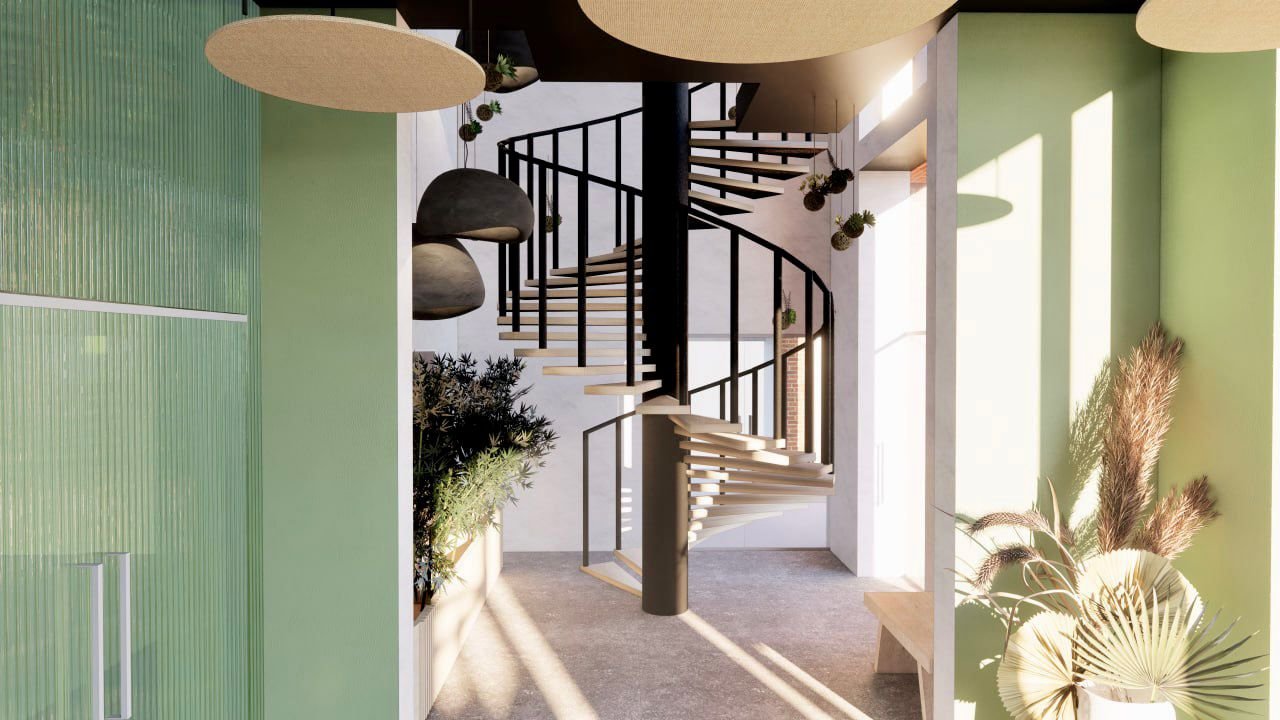
Biofit concept design visual - Fusion Students Birmingham, UK
Fusion Students example (Birmingham, UK)
Project context: Fusion Students, Bristol Road Birmingham (BRB)
Fusion’s leisure brief for this PBSA scheme specified that the facilities should be unmanned, enabling students to access and use spaces autonomously 24/7, and designed to require very minimal onsite management.
The same brief also calls for:
flexible, multipurpose usage
spaces supporting physical and mental health, recovery, relaxation and social interaction
an innovative, forward-looking USP appropriate to Gen Z & Alpha, and strong marketability across media.
In BRB, the defined leisure scope areas included:
Functional Training: 58.5 m²
Cardio: 81.5 m²
Basketball Court: 66 m²
(Total: 206 m²).
This is a typical PBSA condition: compact footprints, multi-zone requirements, and an operational model that demands the space “runs itself”.
Checklist: what to confirm before you lock design
Use this list during pre-design and concept sign-off:
What does “unmanned” mean in practice: CCTV, access control, emergency protocols?
What is the expected peak usage window (evenings, weekends, exam periods)?
Where is storage located, and how is kit reset enforced?
Are all equipment footprints and clearances coordinated for safety + maintenance?
Which finishes will fail first under PBSA cleaning regimes?
Where do you place “calm” elements so they don’t conflict with high-energy zones?
What operational rules need to be embedded into layout and signage?
How Biofit supports PBSA unmanned gyms
Biofit supports PBSA projects through:
Pre-Design Planning: programme mix, zoning logic, capacity assumptions and operational fundamentals
Concept Development: student journey, sequencing, and design direction that supports behaviour
Equipment & Technical Specification:schedules, clearances, utilities and procurement-ready documentation
Interior Design: durable, maintainable interiors with robust detailing
Pre-Opening Support:operational rules and readiness planning aligned to the facility
Next step: If you are planning an unmanned PBSA gym, share your plans for review via email and we will recommend the appropriate scope and next steps.
FAQ
Do unmanned PBSA gyms need different equipment than commercial clubs?
Typically yes. The best unmanned PBSA gyms prioritise robust, intuitive equipment and clear storage/reset logic, reducing misuse and maintenance burden while still delivering a premium experience.
How do you prevent clutter in an unmanned gym?
Design storage as part of the zoning. Make it easy to return equipment, keep storage within each zone, and include a visible reset point (wipes, bins, simple rules) to reinforce behaviour.
Can you include wellness and recovery features without increasing staffing needs?
Yes. A pragmatic recovery-lite approach—mobility zones, flexible studio space, and calm design cues—can be both marketable and easy to manage, without creating high-maintenance rooms.